How to Prepare for a Trip to Vietnam: Visa, Currency, eSIM, Packing guide & Authentic tours
Preparing for a trip to Vietnam requires specific documentation, currency strategies, and digital tools to ensure smooth entry and travel across the country.

1. Entry Documentation & Visa Requirements
Do You Need a Visa for Vietnam?
- 45-Day Visa Exemptions: Passport holders from countries like the UK, France, Germany, Italy, Spain, Sweden, Denmark, Finland, Norway, Russia, Belarus, Japan, South Korea and ASEAN nations can enter Vietnam visa-free for 14 to 45 days. (check more detail list of visa exemption countries here)
- 90-Day E-Visa: All nationalities can apply for an official 90-day single-entry ($25 USD) or multiple-entry ($50 USD) e-visa online.
- Processing Lead Time: Official processing takes 3 to 5 business days. Submit applications at least 10–14 days prior to travel at the official portal (
evisa.gov.vn). - Passport Validity Rules: Passports must remain valid for at least 6 months beyond the arrival date and contain at least 2 blank pages.
2. Currency & Payment Strategy
Vietnamese Dong (VND) & Cash Usage
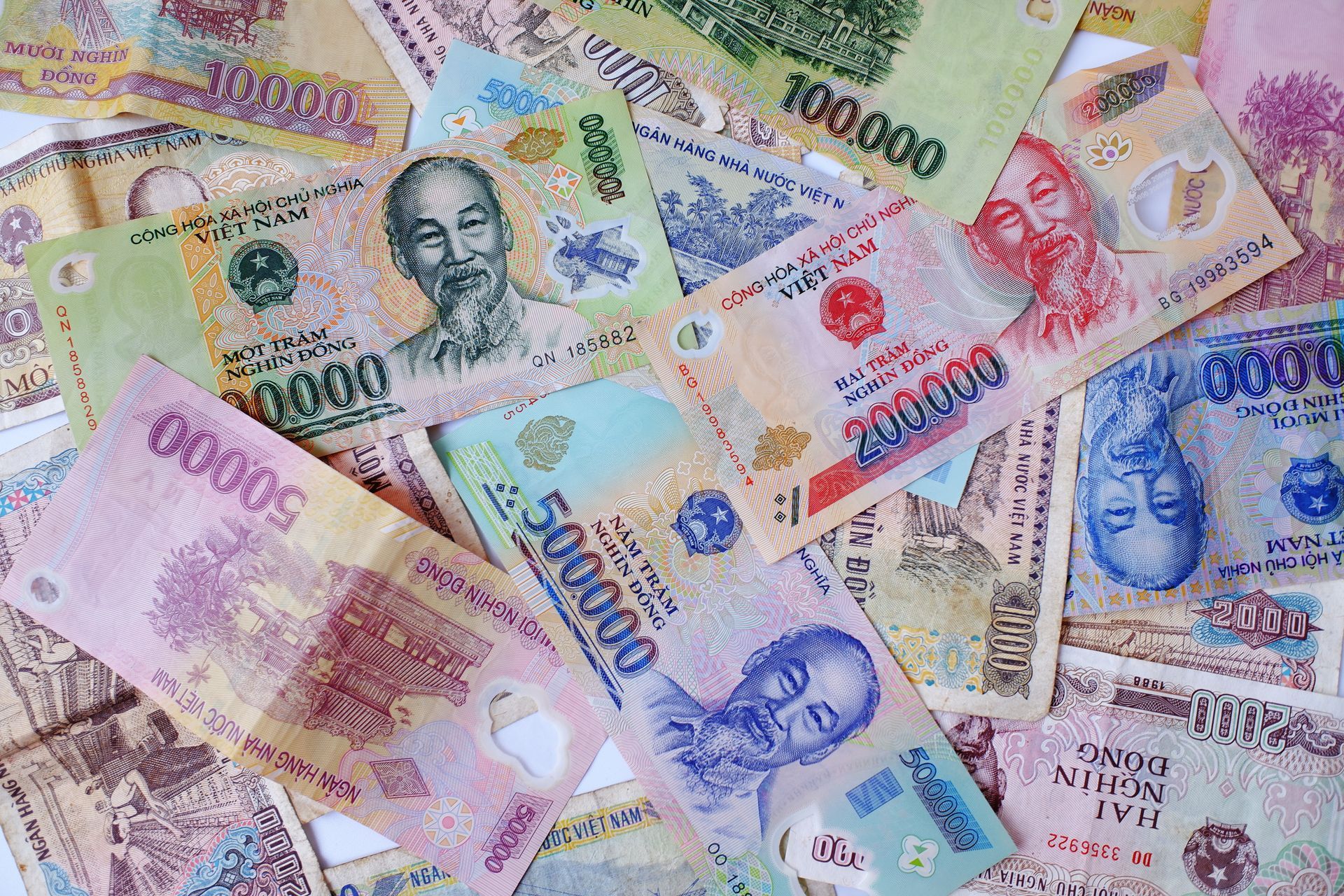
- Cash-Dominant Local Economy: While hotels, shopping centers, and high-end restaurants accept credit cards, local street food stalls, markets, taxis, and rural vendors operate strictly on cash (Vietnamese Dong).
- Currency Exchange: Exchange crisp, untorn USD or EUR bills at airport counters, bank branches, or licensed gold shops in major cities for favorable rates.
- ATMs & Foreign Cards: ATMs (such as Vietcombank, Vietinbank, Saccombank, VPBank, TPBank, BIDV, or Agribank) are abundant across urban areas. Notify your bank before flying to prevent security blocks on international transactions.
3. Mobile Connectivity & Essential Apps
Local SIM Cards & eSIM Setup
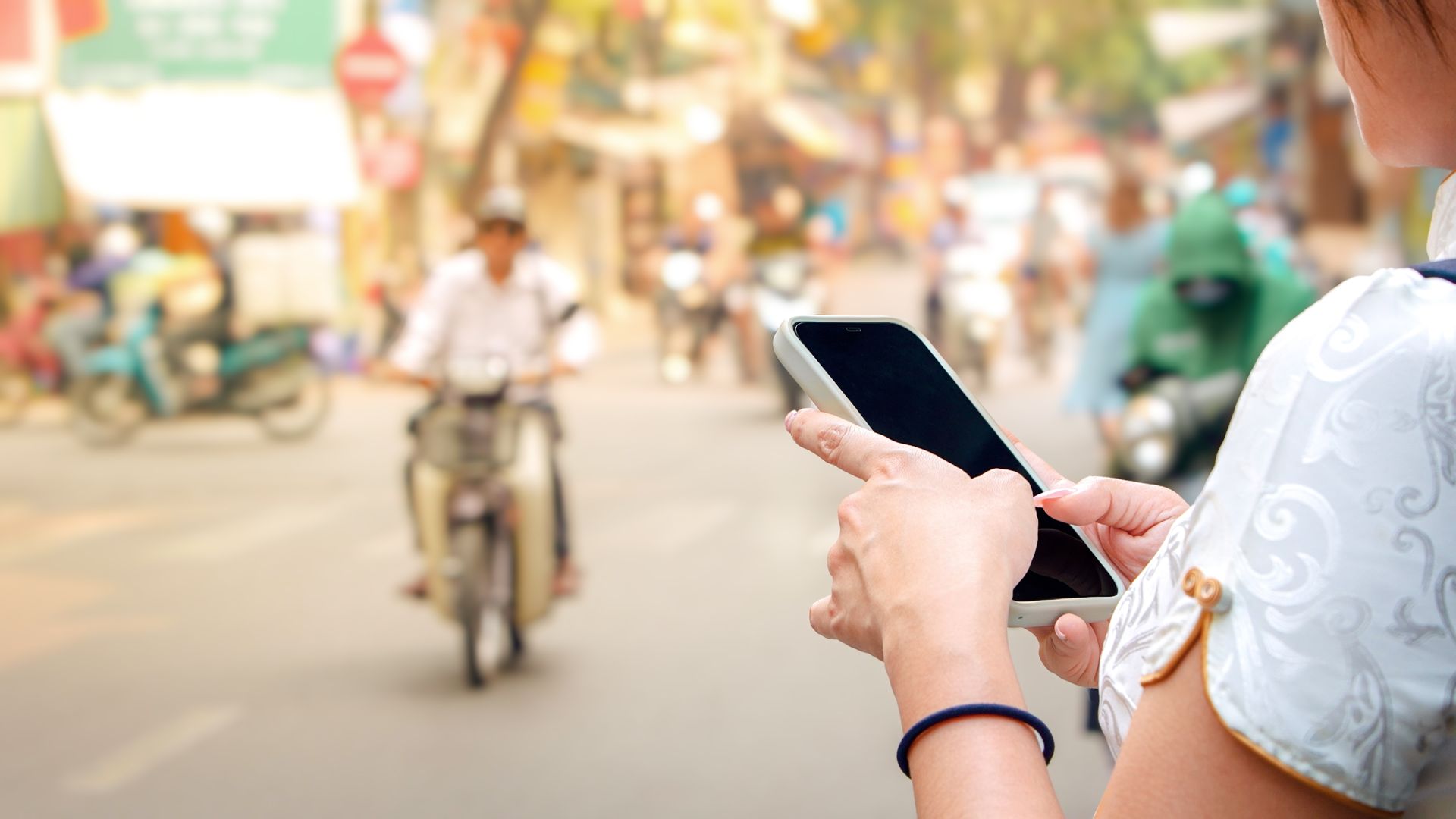
- eSIM Pre-installation: Purchasing an eSIM online before flying lets you connect to networks instantly upon landing at international airports in Hanoi (HAN), Da Nang (DAD), or Ho Chi Minh City (SGN).
- Physical Airport SIMs: Physical SIM cards from major providers (Viettel, Vinaphone, or Mobifone) can be purchased directly inside arrival terminals with passport registration.
Key Mobile Apps to Download Before Arrival
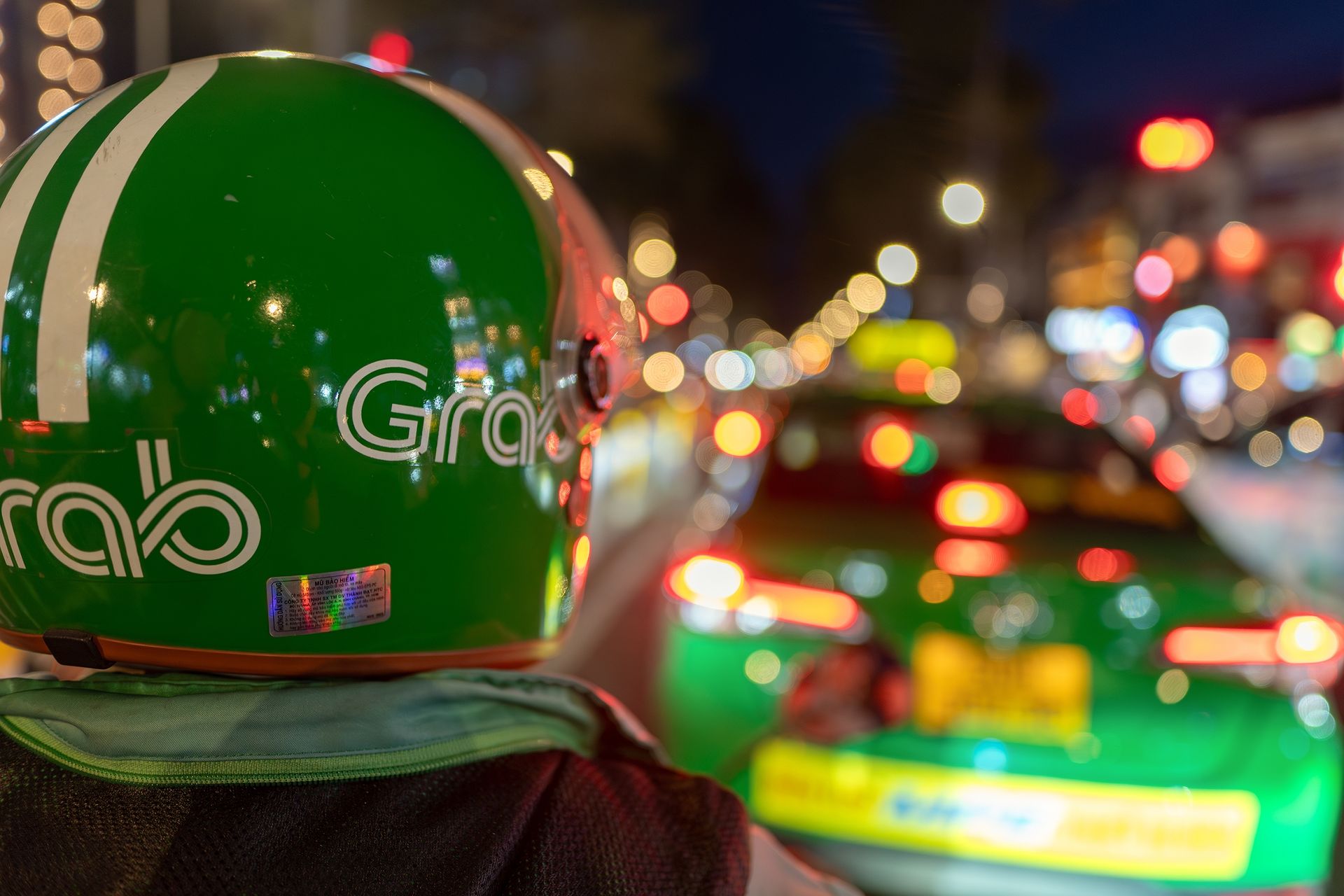
- Ride-Hailing: Grab, Be and Green SM (electric vehicle fleet) are the standard apps for booking motorbikes, cars, and food delivery in Vietnam.
- Navigation: Google Maps - simplify local navigation.
- Translation: Google Translate (with the Vietnamese offline language dictionary downloaded) - communication at street stalls.
4. Climate & Packing Essentials
Weather Variations by Region
Cultural Dress Code: Modest attire covering shoulders and knees is strictly required when visiting temples, pagodas, and historical landmarks.
| Region & Destinations | Best Time to Visit | Weather Overview | Months to Exercise Caution |
|---|---|---|---|
| Northern Vietnam (Hanoi, Ha Long Bay, Sapa, Ha Giang) | Sep–Nov & Mar–Apr | Mild temperatures (18°C–25°C), low rainfall, and clear skies for mountain trekking and cruises. Dec–Feb is dry but cold (10°C–15°C). | May–Aug: High heat (>35°C), high humidity, and heavy monsoon rains. |
| Central Vietnam (Hue, Da Nang, Hoi An, Nha Trang) | Feb–Aug | Warm, dry, and sunny conditions with minimal rainfall, ideal for beaches and historic sites. Peak summer (Jun–Aug) reaches 33°C–35°C. | Sep–Dec: Heavy monsoon rains, elevated flood risks, and potential typhoons. |
| Southern Vietnam (Ho Chi Minh City, Mekong Delta, Phu Quoc) | Nov–Apr | Dry season featuring constant sunshine, comfortable humidity, and warm temperatures (28°C–33°C). | May–Oct: Rainy season; showers are typically brief afternoon downpours rather than all-day rains. |
Cultural Dress Code: Modest attire covering shoulders and knees is strictly required when visiting temples, pagodas, and historical landmarks.
5. Authentic Tours & Japanese-Quality Service with H.I.S. Song Han Vietnam
Experience Vietnam with total peace of mind through H.I.S. Song Han Vietnam, combining authentic local expertise with world-class Japanese hospitality standards.
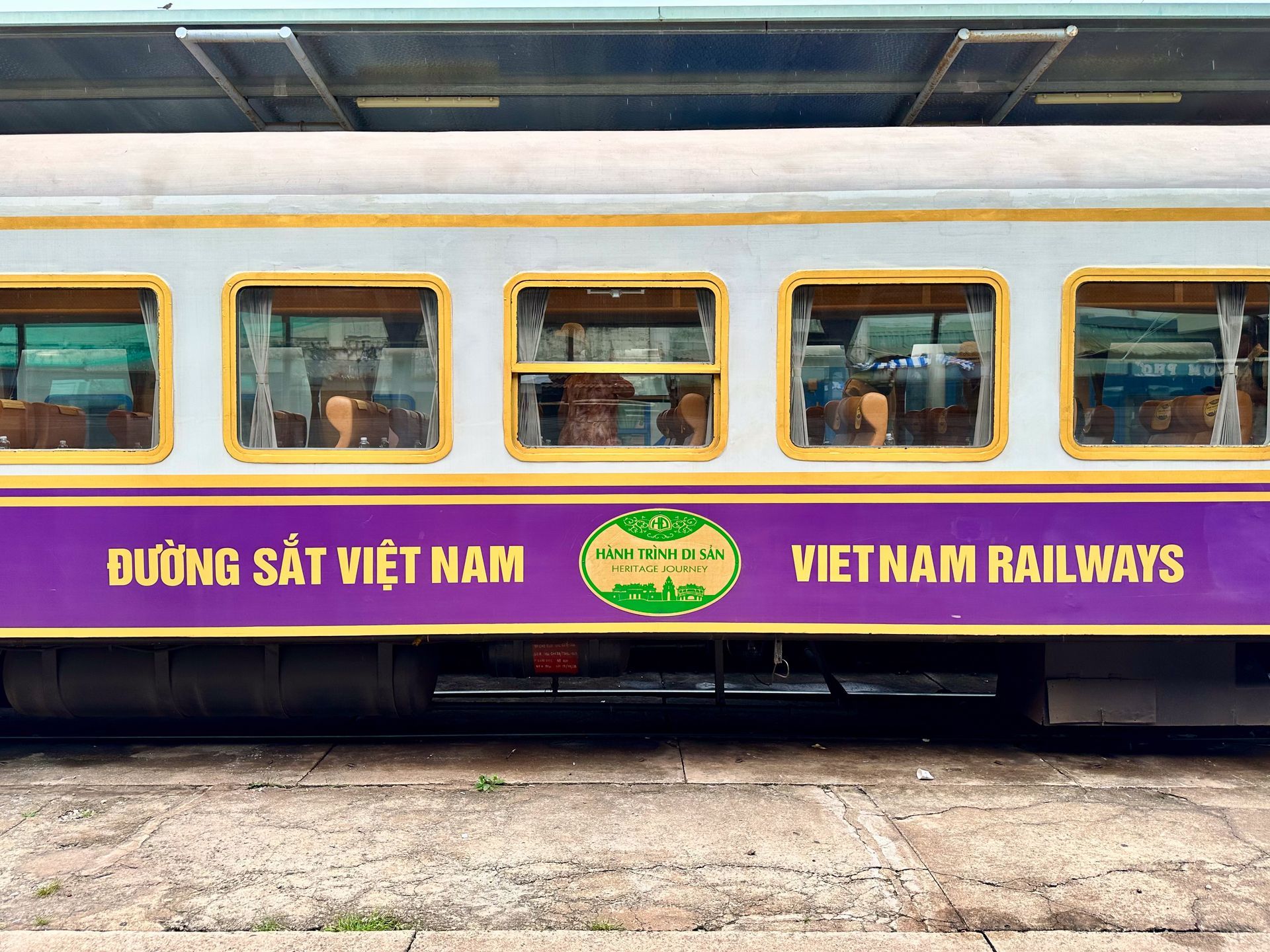
- Signature Heritage & Nature Tours: Cruise Ha Long Bay, ride the scenic Hai Van Pass Heritage Train, and explore the historic Cu Chi Tunnels with top-rated itineraries.
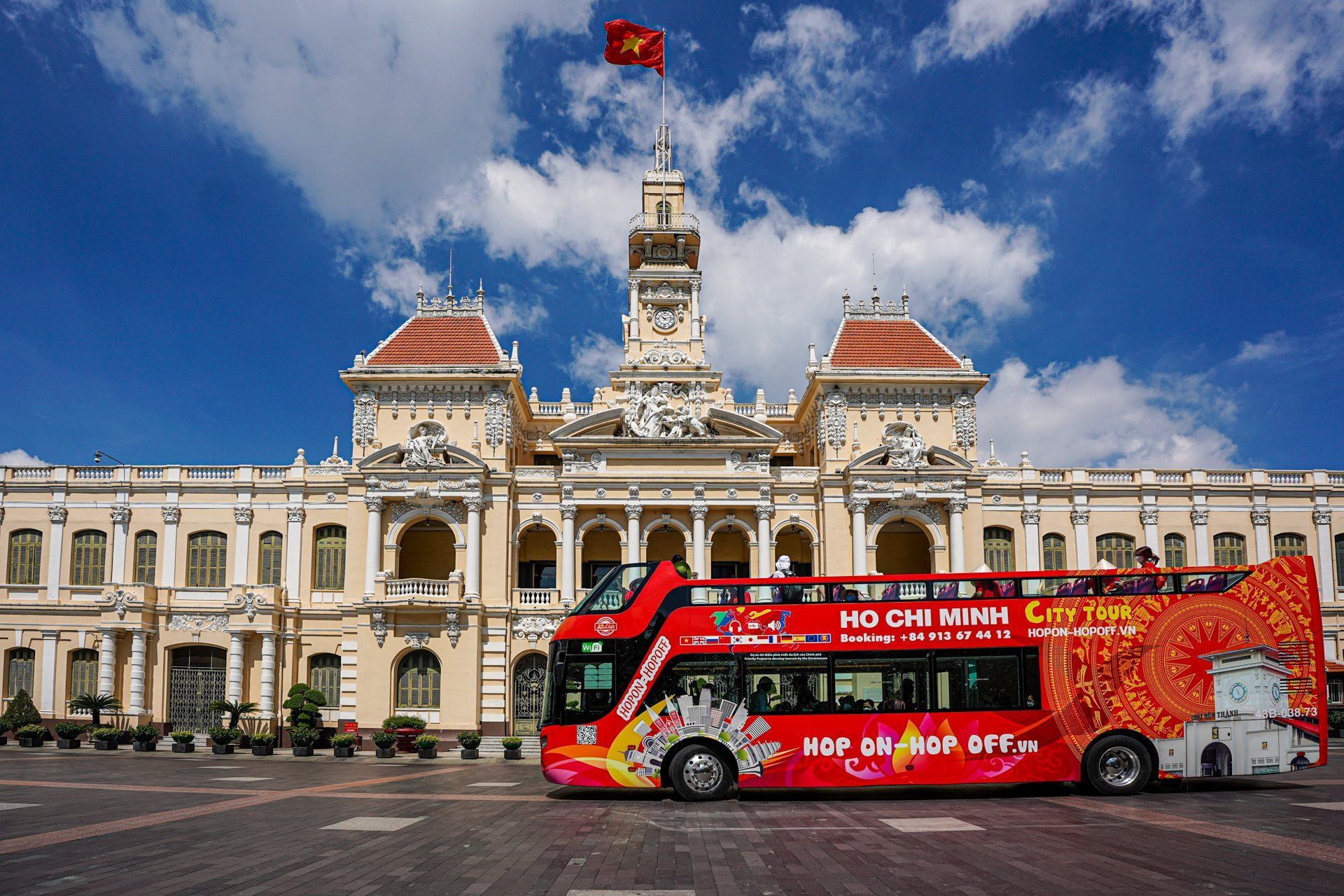
- Cultural & Culinary Experiences: Immerse yourself in local traditions with Áo Dài dress rentals, HCM City tour and live dinning performance coffee workshops, and Michelin-selected dining packages in Hanoi, Da Nang, and Saigon.
- Professional Multilingual Guides: Travel smoothly with expert multi-language tour guides who handle logistics, history, and local navigation.
- Trusted Japanese Service Quality: Rest easy with transparent pricing, legally licensed operations, and dependable customer support throughout your entire trip.
Check more travel products in here: https://www.hissonghanvietnam.com/tours
6. Health, Safety, & Power Standards
Power Outlets & Voltage
- Voltage: 220V at 50Hz.
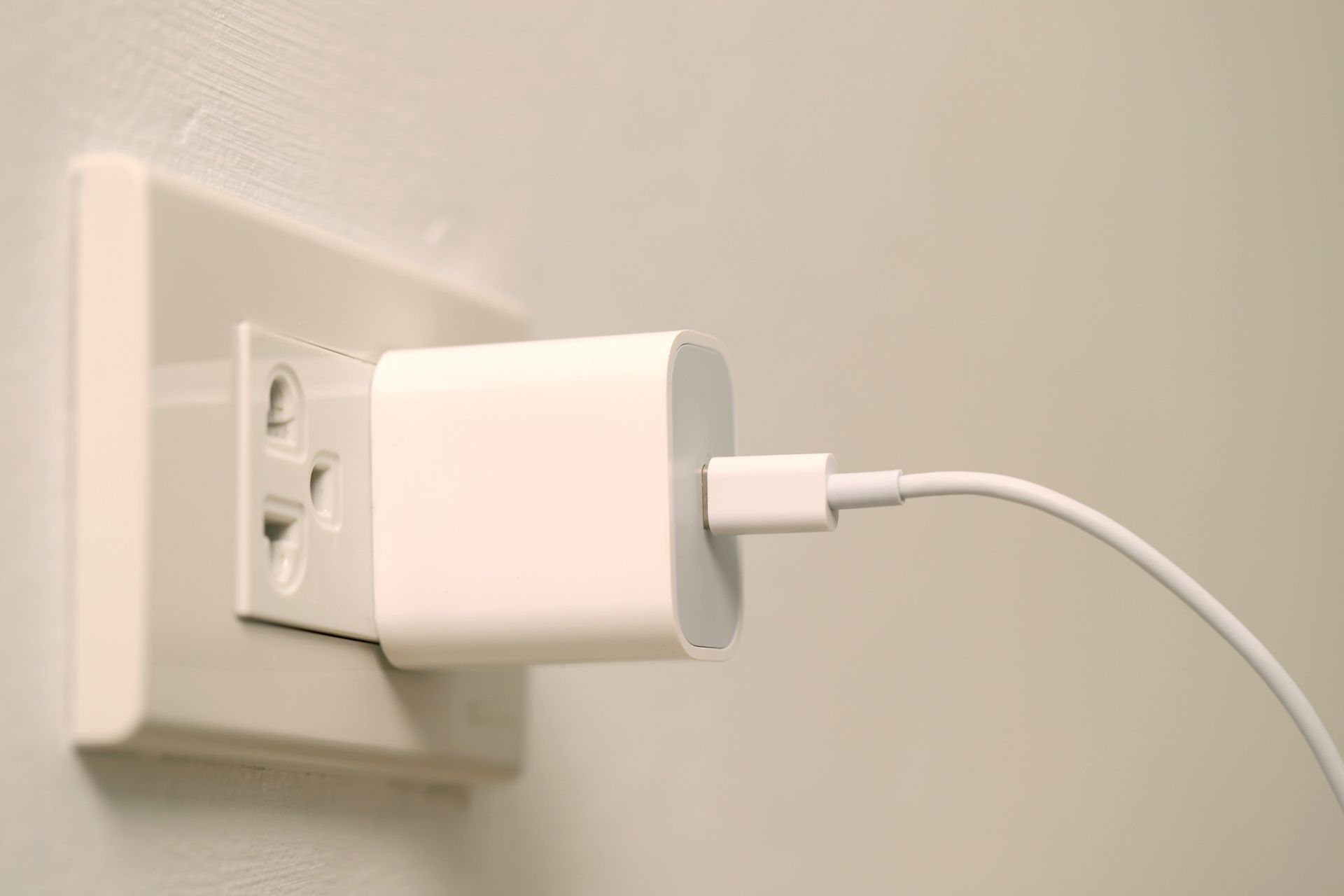
- Plug Formats: Outlets accommodate flat two-prong (Type A), round two-prong (Type C), and three-prong plugs (Type F). A universal power adapter is recommended for multi-device charging.
Water & Health Tips
- Drinking Water: Tap water in Vietnam is not safe for direct drinking. Stick to bottled, boiled, or purified water.
- Travel Insurance: Secure travel insurance that specifically covers emergency medical evacuations and active transport choices like motorcycling.
7. Legal Licensing & Permit Requirements
Self-drive licenses
To legally self-drive any vehicle in Vietnam, you must meet specific document requirements based on international treaties.
| Country of Origin | IDP Treaty | Self-Drive Allowed? | Key Condition |
|---|---|---|---|
| UK, EU Nations, South Korea | 1968 Vienna Convention | Yes | Must carry physical home license + 1968 IDP. Must hold endorsement for vehicle type. |
| USA, Canada, Australia, New Zealand, Japan | 1949 Geneva Convention | Yes | 1949 IDPs are not recognized in Vietnam. Self-driving is illegal unless converted. |
| ASEAN Countries | Mutual Recognition | No | Valid national license in English/bilingual format. |
Car Rentals (Self-Drive vs. Car with Driver)
- Self-Drive Cars: Rare for foreign tourists due to complex insurance, traffic conditions, and strict IDP enforcement.
- Car with Local Driver (Chauffeur): The standard, cost-effective choice for 4-wheel road trips. Rates usually range from $50 to $120 USD/day (inclusive of fuel, tolls, and driver fees).
H.I.S. Song Han Vietnam provides car with local driver. Please contact us for more information!

8. How to transfer from airport to downtown in Vietnam?
Navigating from Vietnam's main international airports to downtown city centers is straightforward using ride-hailing apps, dedicated airport express buses, or official metered taxis.
| Transport Mode | Hanoi | Da Nang | Ho Chi Minh City |
|---|---|---|---|
| Ride-Hailing (Grab / Green SM) | Pick up at outer pickup lanes (Lanes E/F outside T2). Toll fees are added to the final app fare. | Highly recommended due to the short distance. Vehicles pick up right outside the domestic and international gates. | Pick up at International Terminal (T2) pickup lanes or the multi-story TCP garage for domestic arrivals. |
| Public bus | Departs every 30–45 mins outside T1 & T2 arrival halls. Stops near Hoan Kiem Lake and Hanoi Railway Station. | -- | Direct express route to Ben Thanh Market and September 23 Park with spacious luggage racks. |
| Metered Taxi (Vinasun / Mai Linh) | Queue at designated stands outside the arrival hall. Verify the meter is reset before leaving. | Taxis line up directly outside arrival exit doors. An airport exit surcharge (~10,000–15,000 VND) applies. | Join the official taxi lane outside T1/T2. Pay the driver cash or card plus the 10,000 VND airport entrance toll. |
Essential arrival advice
H.I.S. Song Han Vietnam also provides airport-pickup service. Contact us for more information!
- Bypass Terminal Touts: Ignore unbadged drivers approaching travelers inside arrival halls. Walk directly to official taxi queues or order via app.
- Understand Toll Surcharges: Airport exit tolls (10,000 to 15,000 VND) are standard legal charges and will be added to metered fares or included directly in app totals.
- Keep Smaller Currency Denominations: When paying cash for buses or metered cabs, keep 20,000 VND, 50,000 VND, or 100,000 VND notes available, as drivers rarely carry change for 500,000 VND bills.