Ho Chi Minh City Landmarks Guide: 10 Must-Visit Attractions for International Travelers
Ho Chi Minh City, formerly and still widely known as Saigon, is Vietnam's energetic southern metropolis where French colonial architecture, ancient temples, war history, and soaring modern skyscrapers stand side by side. For international travelers visiting Vietnam, exploring these iconic landmarks offers the fastest way to understand the country's turbulent history, vibrant street culture, and rapid modernization.
Table of content
- Independence Palace (Reunification Palace)
- Saigon Central Post Office & Notre-Dame Cathedral Basilica
- The Ho Chi Minh City People’s Committee Building
- War Remnants Museum
- Saigon Zoo and Botanical Gardens
- Ben Thanh Market & Ben Thanh Metro Station
- Tan Dinh Church (The Pink Church)
- Jade Emperor Pagoda
- Nguyen Hue Walking Street & The 42 Nguyen Hue Cafe Apartments
- Landmark 81 SkyView
Historical & Colonial Landmarks in District 1
1. Independence Palace (Reunification Palace)
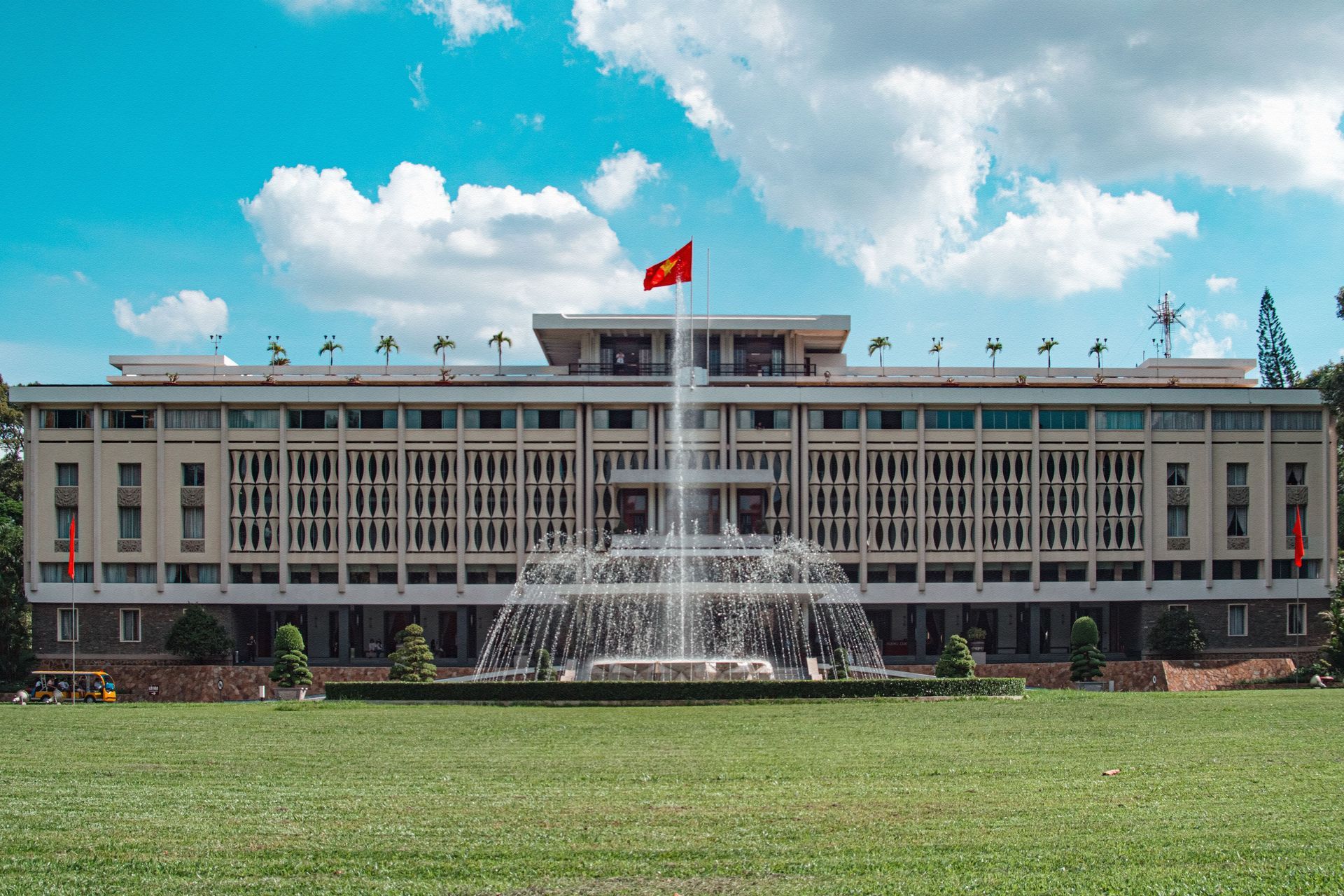
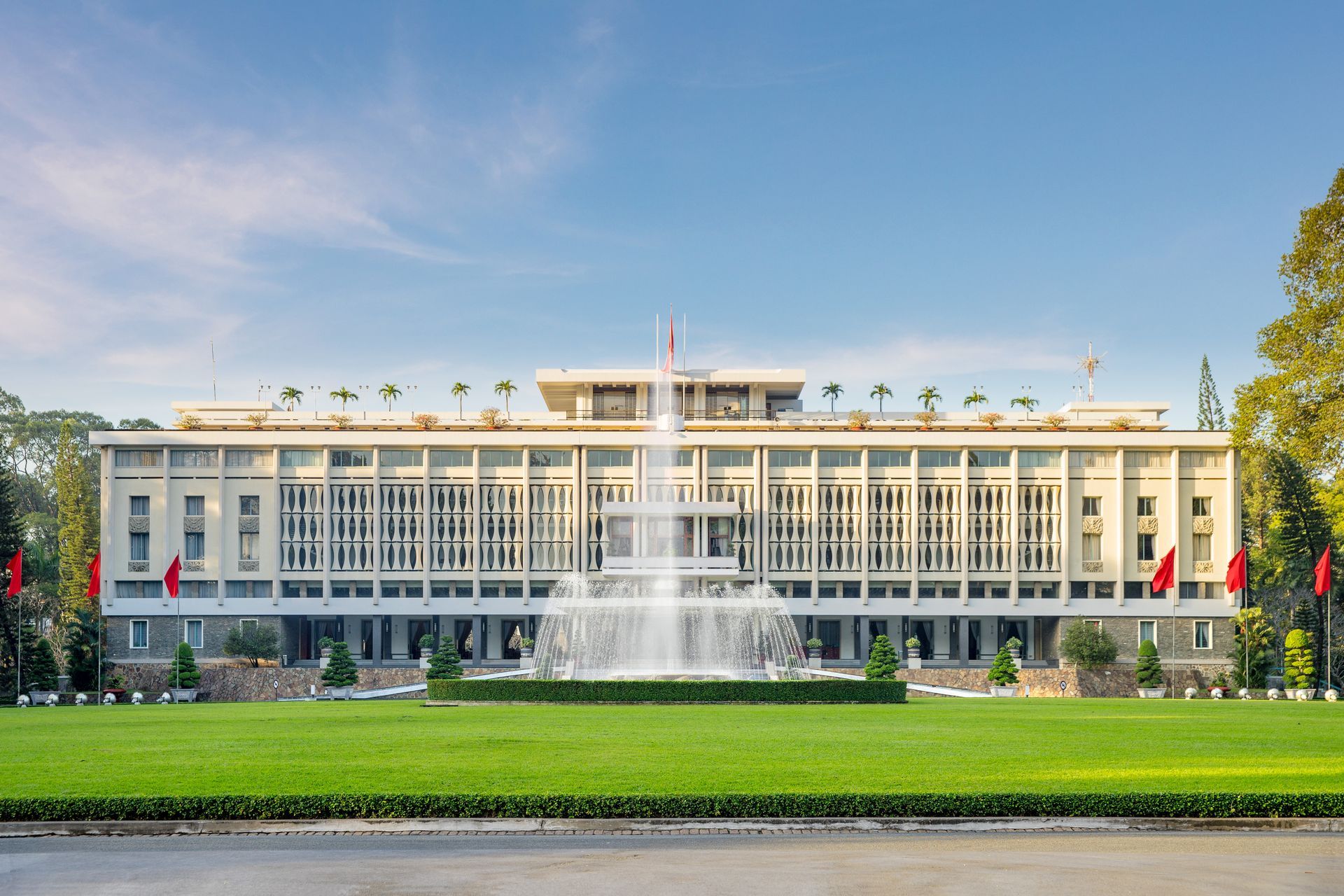
Standing on a lush green estate in central District 1, the Independence Palace (Dinh Độc Lập) is one of the most historically significant sites in Southeast Asia. Originally built in the 1960s as the residence and workplace of the President of South Vietnam, it was designed by architect Ngo Viet Thu in a blend of traditional oriental philosophy and modern functionalism.
On April 30, 1975, a North Vietnamese army tank crashed through the iron gates of the palace, signaling the end of the Vietnam War and the reunification of the nation. Today, the building remains preserved almost exactly as it was on that day. Visitors can walk through grand reception rooms, state banqueting halls, executive offices, and the underground command bunker equipped with vintage communications gear, military maps, and secret escape tunnels.
Address: 135 Nam Ky Khoi Nghia Street, Ben Thanh Ward, District 1
Opening Hours: Daily from 8:00 AM – 4:30 PM
Visitor Tip: Rent an audio guide at the main entrance for detailed historical context on each floor.
2. Saigon Central Post Office & Notre-Dame Cathedral Basilica
Located directly across from each other, these two French colonial landmarks form the architectural heart of downtown Saigon.
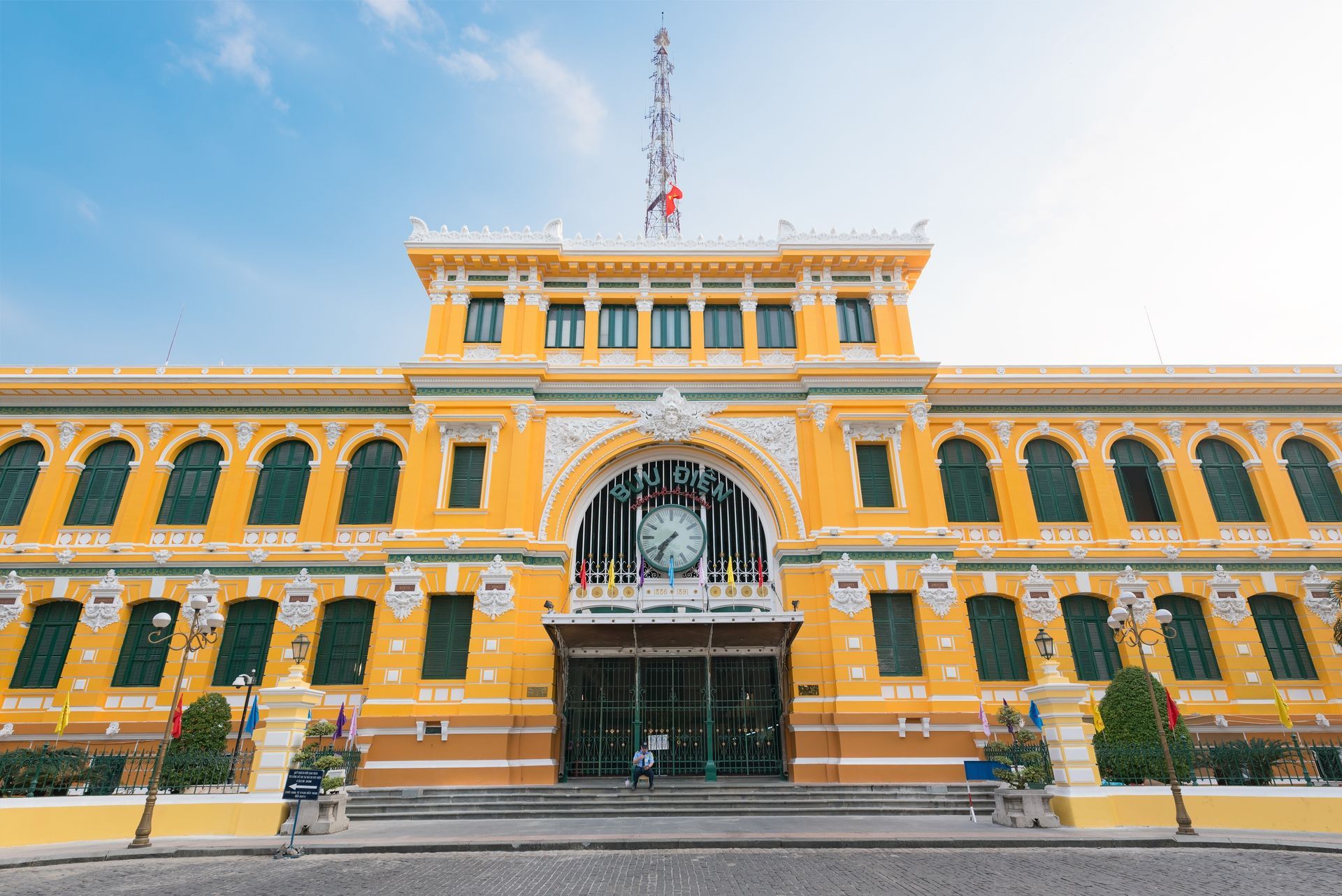
Constructed between 1886 and 1891, the Saigon Central Post Office is a masterpiece designed by French architect Alfred Foulhoux (often incorrectly attributed solely to Gustave Eiffel, though Eiffel's firm engineered its iron framework). The interior features grand vaulted ceilings, arched iron beams, polished tiled floors, vintage telephone booths, and two historic hand-painted maps from the late 19th century painted along the balcony walls. It remains a fully operational postal facility where you can post souvenirs or mail letters worldwide.
Directly opposite stands the Notre-Dame Cathedral Basilica of Saigon, constructed between 1877 and 1880 using red bricks imported directly from Marseille, France. Its twin spires reach 60 meters into the air. Note that the cathedral has undergone a major, years-long restoration project. While interior access may be limited during ongoing conservation, the exterior restoration reveals freshly restored red-brick masonry and newly installed gold-plated crosses atop the bell towers.
- Address: Paris Square, Ben Nghe Ward, District 1
- Opening hours: 7:30AM - 6PM (Mon - Sat); 8AM - 5PM (Sun)
- Visitor Tip: Visit around 8:00 AM – 9:30 AM to catch the morning sunlight hitting the red bricks of the Cathedral and avoid peak tour bus crowds.
3. The Ho Chi Minh City People’s Committee Building
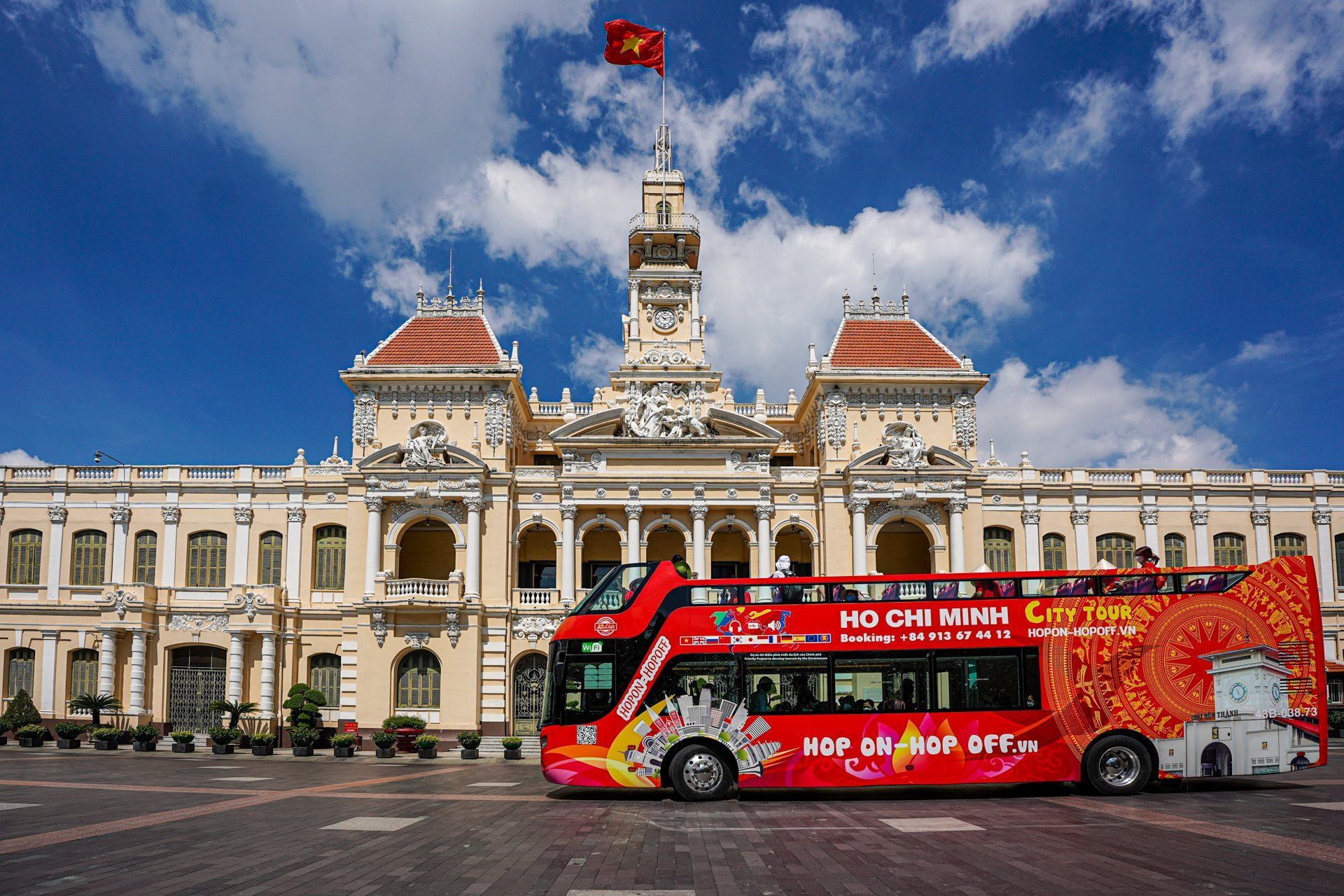
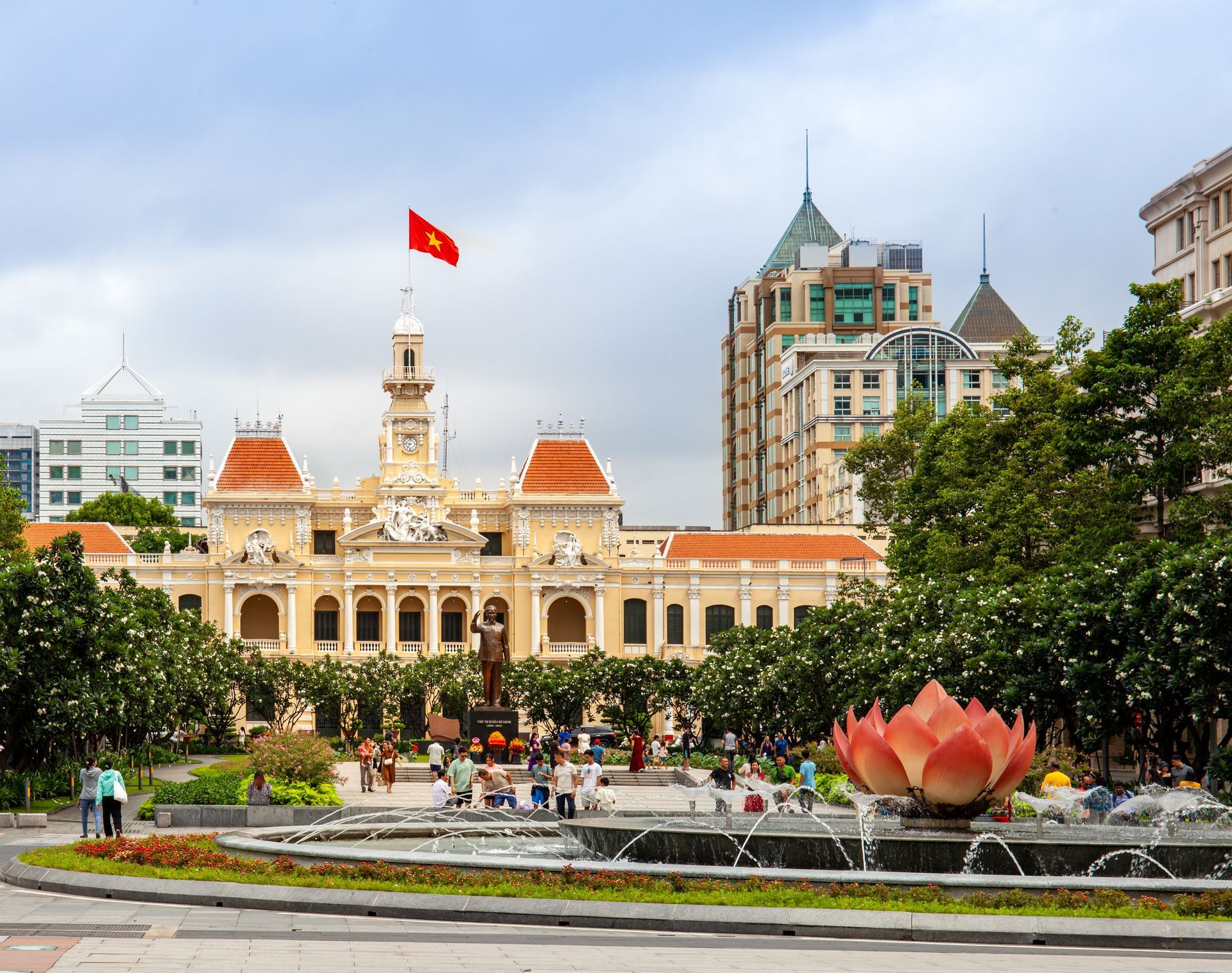
The Ho Chi Minh City People’s Committee Building (formerly Saigon City Hall) is one of the city's most recognizable French colonial landmarks, anchored at the top of Nguyen Hue Walking Street in District 1.
Architectural & Historical Highlights
- French Renaissance Façade: Modeled after the Hôtel de Ville in Paris, the building features ornate relief sculptures, arched windows, classical pillars, and a central clock tower topped with a flagstaff.
- Pastel Yellow & White Motif: The exterior showcases a classic French colonial color scheme—pastel yellow walls trimmed with intricate white plasterwork and capped by red-tiled roofs.
- President Ho Chi Minh Statue: Positioned directly in front of the main entrance in a landscaped park, this prominent bronze statue depicts President Ho Chi Minh waving warmly to the public.
- Nighttime Illumination: Floodlights illuminate the entire structure after sunset, highlighting its ornate detail against the night sky and making it a premier spot for night photography.
- Address: 86 Le Thanh Ton, Ben Nghe Ward, District 1, Ho Chi Minh City
- Opening hours: Closed to the general public (note: Special interior guided tours are occasionally hosted on select national holidays or designated cultural weekends via advance registration through the HCMC Department of Tourism).
- Visit tips: Because it sits at the head of Nguyen Hue Walking Street, you can easily walk to the Saigon Opera House (2 minutes away) and Saigon Central Post Office (5 minutes away).
Educational & Poignant History
4. War Remnants Museum
For foreign visitors looking to understand the profound impact of the Vietnam War on the nation and its people, the War Remnants Museum (Bảo tàng Chứng tích Chiến tranh) is an essential stop. It ranks among the most visited museums in Vietnam.
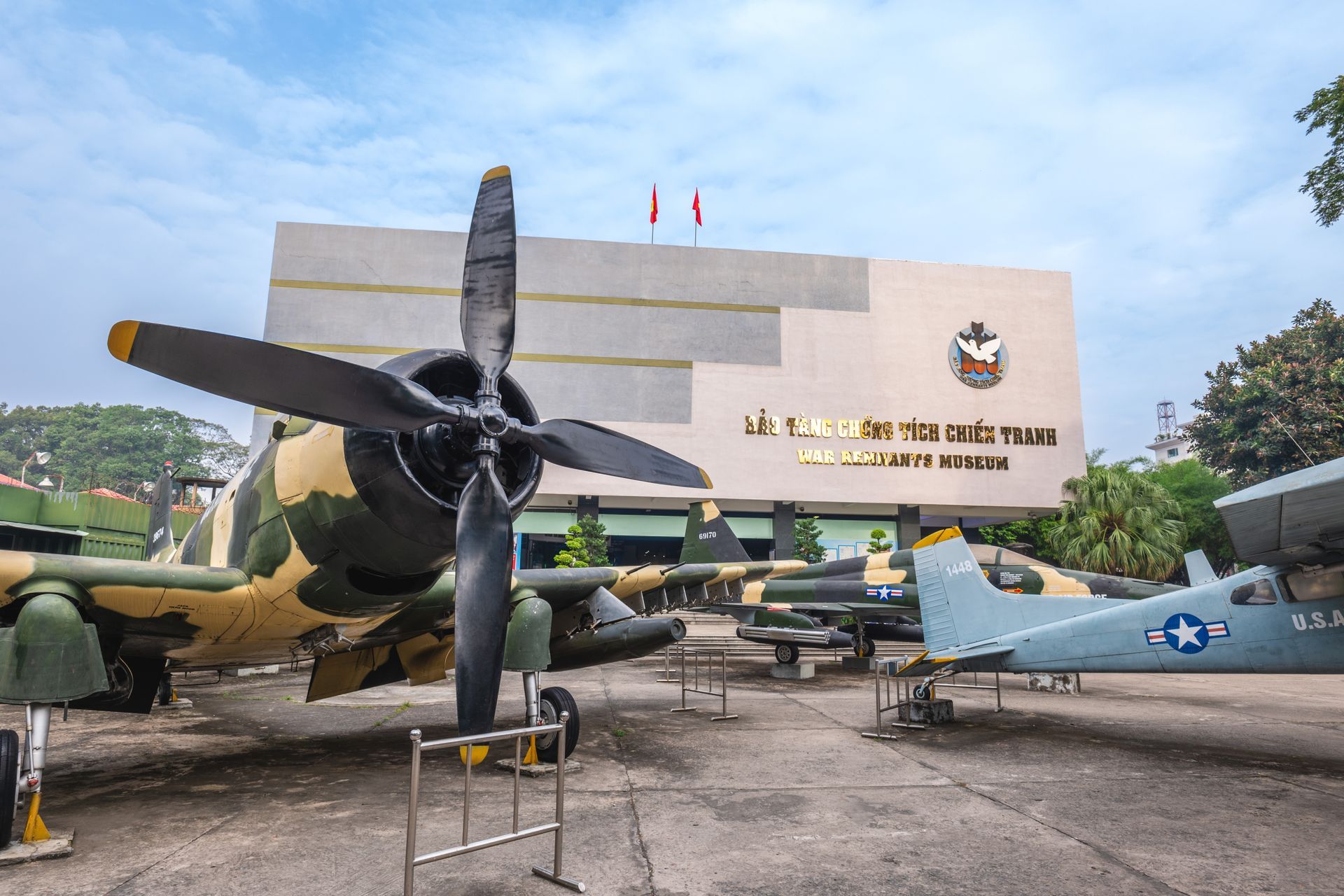
The outdoor courtyard exhibits captured American military hardware, including UH-1 Huey helicopters, M48 Patton tanks, and fighter jets. Inside, three floors of curated photographic exhibits document the harsh reality of war. Key permanent galleries include:
- Requiem exhibit: A collection of photographs taken by international war correspondents who lost their lives during the conflict.
- Agent Orange effects: A powerful display highlighting the multi-generational environmental and human toll of chemical defoliants.
- Historical truths: Archival documents, political history, and personal belongings from soldiers and civilians.
- Address: 28 Vo Van Tan Street, Ward 6, District 3
- Opening hours: Daily from 7:30 AM – 5:30 PM
- Visitor tips: The museum exhibits are intense and emotionally taxing; allow time afterward for quiet reflection at a nearby coffee shop.
5. Saigon Zoo and Botanical Gardens
Established in 1864 by French botanist Louis Pierre and opened to the public in 1869, the Saigon Zoo and Botanical Gardens (Thảo Cầm Viên Sài Gòn) is one of the world's oldest operating zoological gardens. Located at the eastern end of Le Duan Boulevard in District 1, this 20-hectare green oasis serves as the "green lungs" of Ho Chi Minh City, offering a peaceful retreat from the surrounding urban traffic.
Key Highlights inside the Park
- Botanical Diversity: Features 2,600+ ancient trees, an orchid garden, a cactus house, and lily ponds.
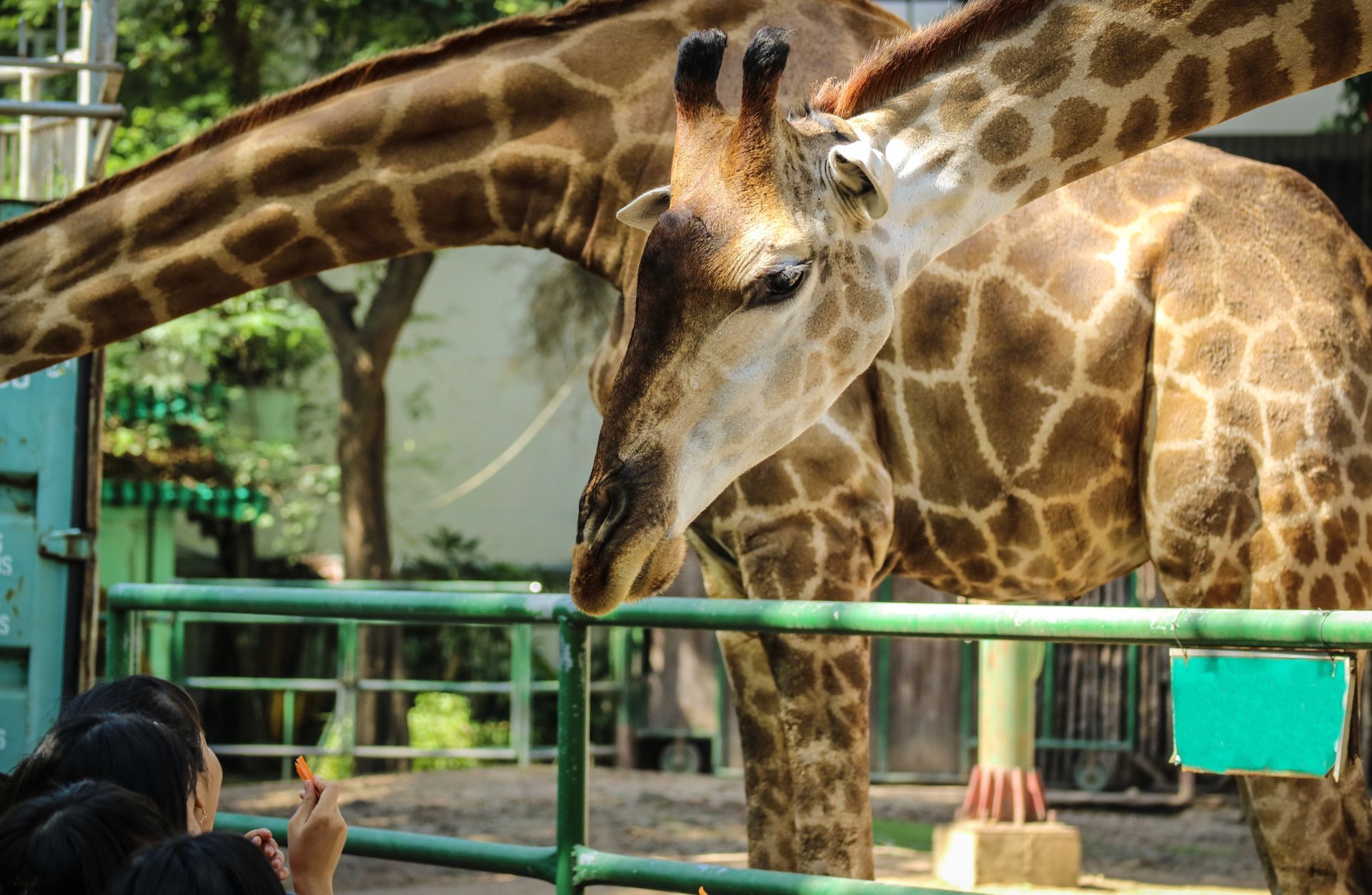
- Fauna & Wildlife: Houses 1,300+ animals across 125 species, including elephants, tigers, rhinos, and primates.
- Museum of Vietnamese History: Colonial-era museum near the entrance displaying ancient, Champa, and imperial artifacts.
- Hung Kings Temple: Built in 1926 with traditional dragon carvings to honor Vietnam’s legendary founders.
- Address: 2 Nguyen Binh Khiem Street, Ben Nghe Ward, District 1
- Opening hours: Daily from 7:00 AM – 5:30 PM (Morning walking access from 5:00 AM)
- Visitor tips: Visit between 7:30 AM and 9:30 AM to beat the mid-day tropical heat, observe animals when they are most active, and enjoy morning light filtering through the ancient tree canopy.
Cultural, Religious & Shopping Landmarks
6. Ben Thanh Market & Ben Thanh Metro Station
No trip to Ho Chi Minh City is complete without stepping inside Ben Thanh Market, the city's iconic commercial center operating since 1914. Its south gate clock tower is recognized worldwide as a symbol of Saigon.
Inside the market's vast covered labyrinth, hundreds of vendor stalls sell traditional handicrafts, lacquerware, embroidered textiles, coffee beans, dried fruits, and customized Áo Dài (traditional Vietnamese dress). At the center of the market is an energetic food hall serving authentic local dishes like Bún Thịt Nướng (grilled pork over rice noodles), Gỏi Cuốn (fresh spring rolls), and colorful Chè (sweet dessert soups).
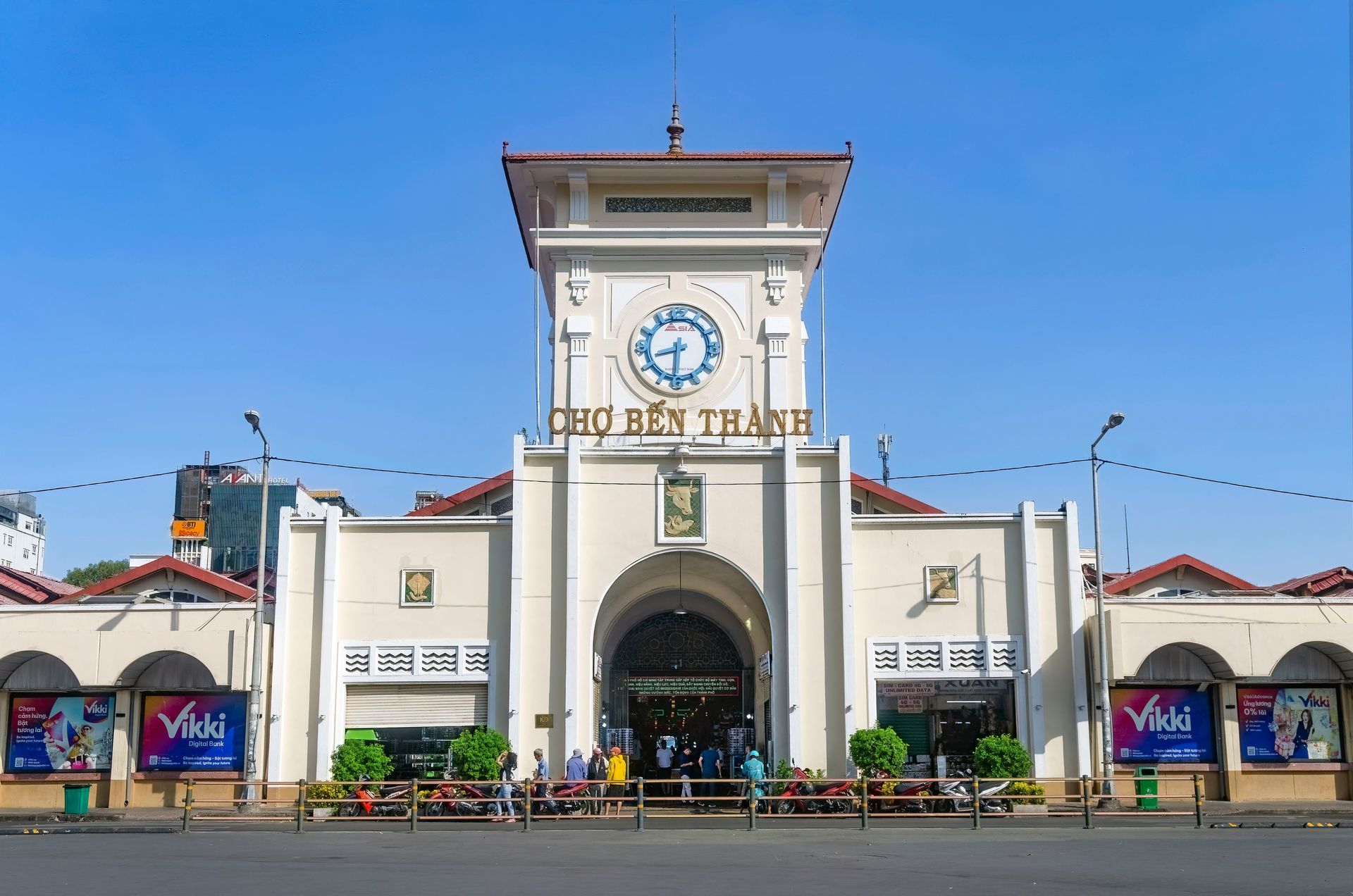
Directly in front of Ben Thanh Market lies the main hub of HCMC Metro Line 1 (Ben Thanh – Suoi Tien Line), featuring a modern underground station beneath a circular skylight plaza. The opening of the metro offers visitors a seamless way to travel from the historic city center to the vibrant expatriate enclave of Thao Dien in District 2.
- Address: Le Loi Street, Ben Thanh Ward, District 1
- Opening hours: 6AM - 6PM (day market); 6Pm - 10PM (night market)
- Visitor Tip: Bargaining is expected for dry goods and souvenirs. Aim for 20% to 30% below the seller's initial quoted price with a friendly smile.
7. Tan Dinh Church (The Pink Church)
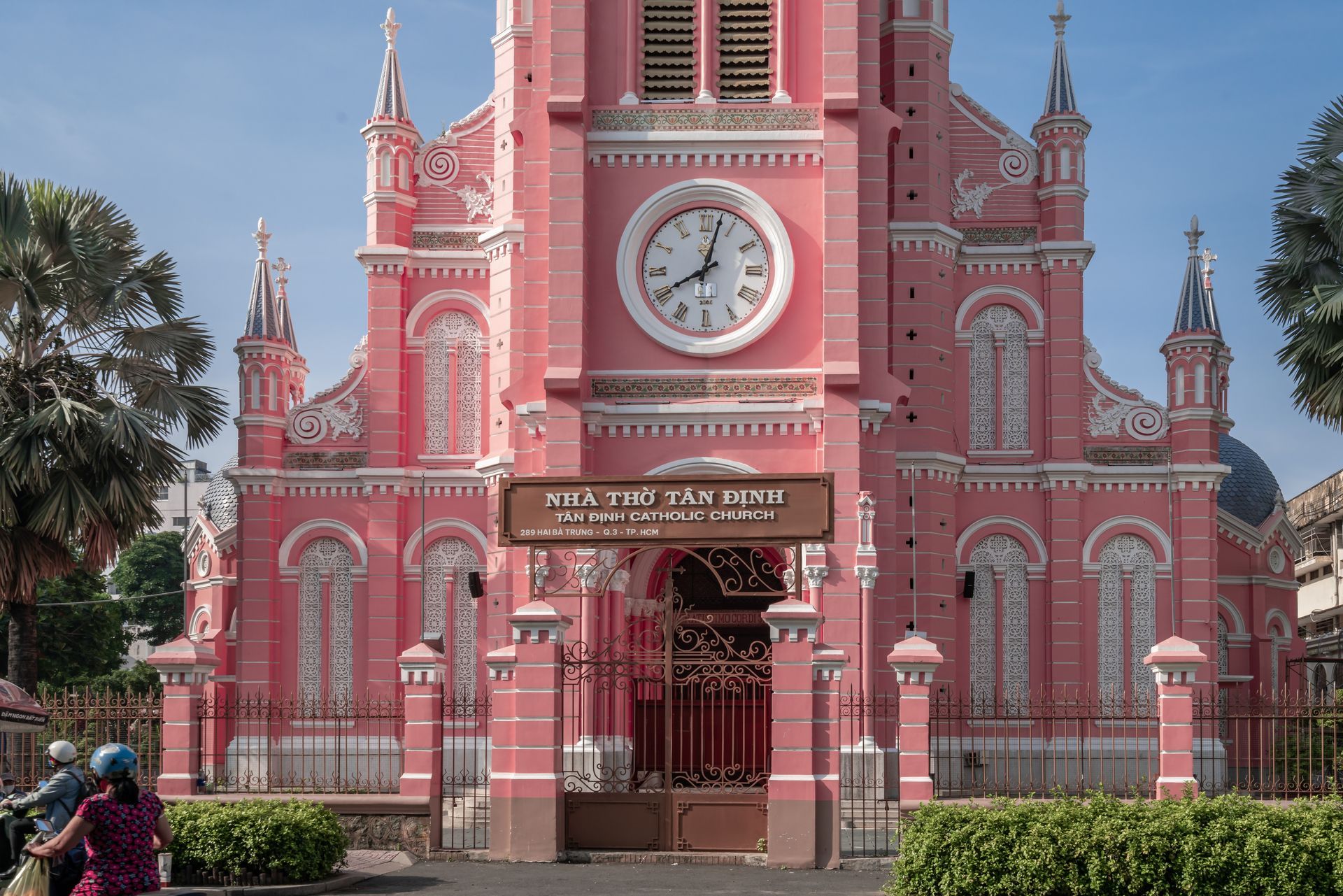
Located in District 3, Tan Dinh Church (Nhà thờ Tân Định) is famous for its eye-catching, vibrant pastel-pink exterior and intricate Gothic-Romanesque architecture. Built in 1876 during the French colonial era, it is the second-largest church in Ho Chi Minh City after Notre-Dame Basilica.
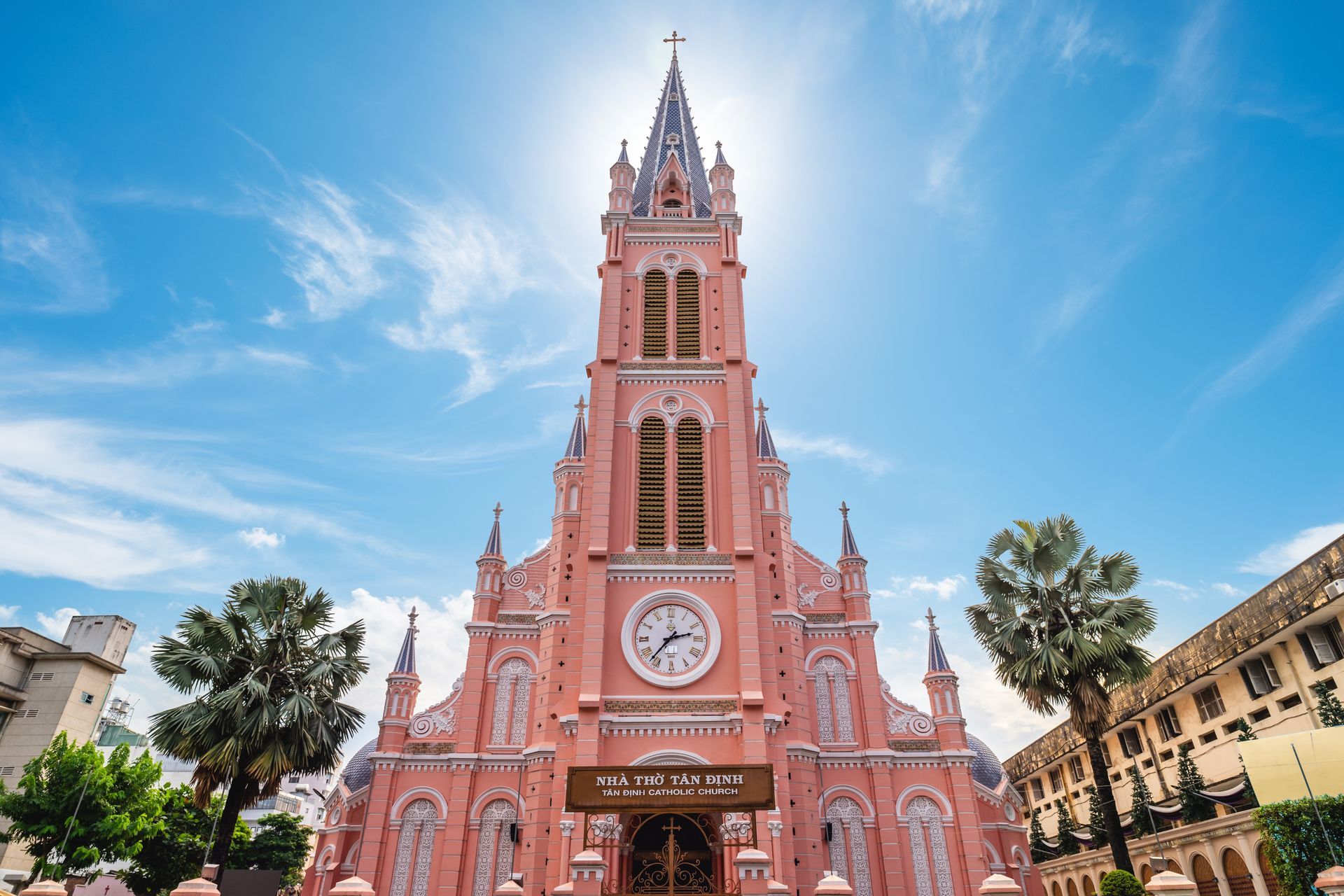
The church features a central tower standing 52 meters tall, topped with a silver cross, flanked by decorative arches, white plaster work, and marble altars inside. Across the street, you will find Tan Dinh Market and local cafes offering clear views of the pink spires against the sky.
- Address: 289 Hai Ba Trung Street, Ward 8, District 3
- Opening hours: Tuesday – Saturday: 7:30 AM – 11:30 AM and 2:30 PM – 6:30 PM; Sunday: 6:30 AM – 10:30 AM and 4:30 PM – 8:30 PM; Monday: Closed to visitors
- Visitor Tip: Cross the street to Cong Caphe or nearby rooftop cafes to capture an unobstructed photo of the church's full façade.
You can read more detail about this place here:
The Pink Church of Saigon: A Fairy-Tale Escape in the Heart of Ho Chi Minh City
8. Jade Emperor Pagoda
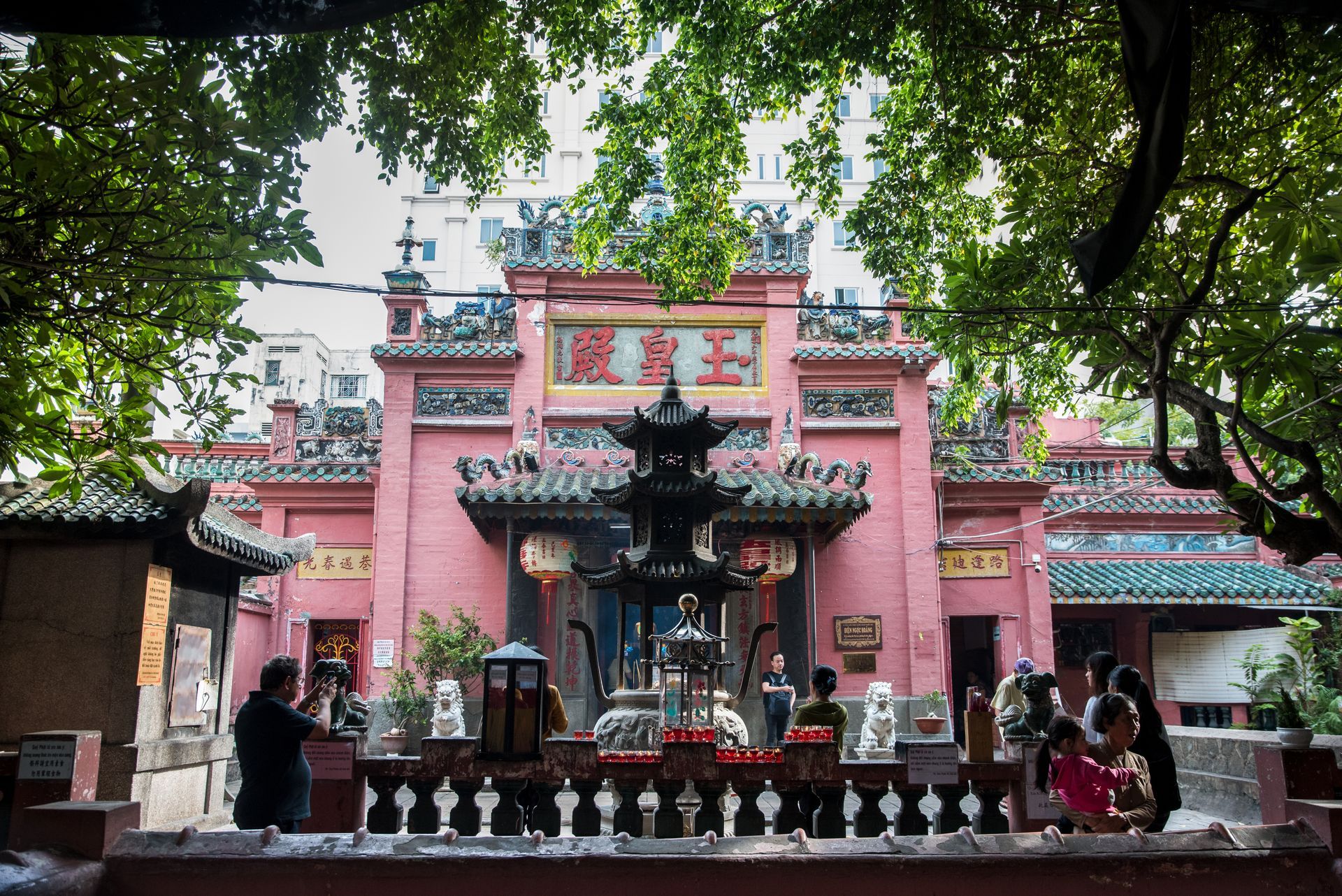
Built in 1909 by the Cantonese Chinese community, the Jade Emperor Pagoda is one of the city's most atmospheric spiritual sanctuaries. The temple was notably visited by U.S. President Barack Obama in 2016.
Dedicated to the supreme Taoist god, the Jade Emperor, the temple complex features intricate woodcarvings, paper-mâché statues, and dark halls filled with swirling coils of aromatic incense Smoke. Locals come here to pray for health, fertility, and prosperity, making it a living center of worship rather than just a tourist site.
- Address: 73 Mai Thi Luu Street, District 1
- Opening Hours: Daily from 7:00 AM – 6:00 PM
- Visitor Tip: Dress respectfully with shoulders and knees covered when entering the inner worship halls.
Modern Skylines & Urban Lifestyle Landmarks
9. Nguyen Hue Walking Street & The 42 Nguyen Hue Cafe Apartments
Nguyen Hue Walking Street is a wide pedestrian boulevard stretching from the French colonial-era Ho Chi Minh City People's Committee Building down to the Saigon River. Flanked by luxury hotels, boutiques, and historic structures, it becomes a lively community gathering spot in the evenings.
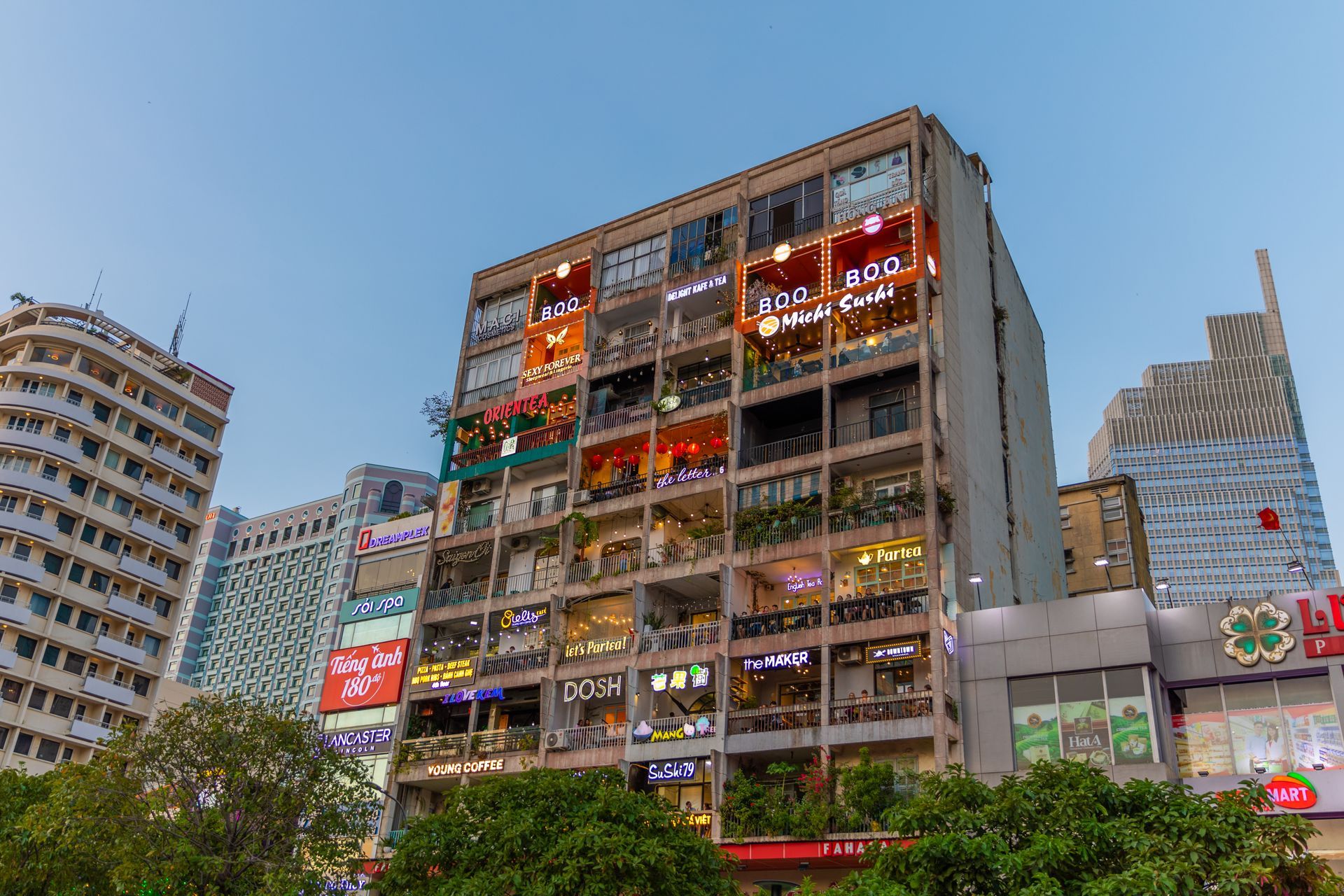
The standout attraction along the boulevard is 42 Nguyen Hue, a 1960s residential apartment block transformed into a nine-story vertical mall. The façade presents a grid of balcony lights, neon signboards, and open-air cafes. Wandering through its exposed staircase reveals indie coffee shops, local fashion boutiques, craft tea rooms, and panoramic views of the walking street below.
- Address: 42 Nguyen Hue Street, District 1
- Opening hours: Daily from 8AM - 10PM
- Visitor Tip: Take the stairs to explore each floor freely. Note that using the building's central elevator costs a nominal fee (around 3,000 – 5,000 VND), which is often refunded if you present a purchase receipt from one of the cafes.
10. Landmark 81 SkyView
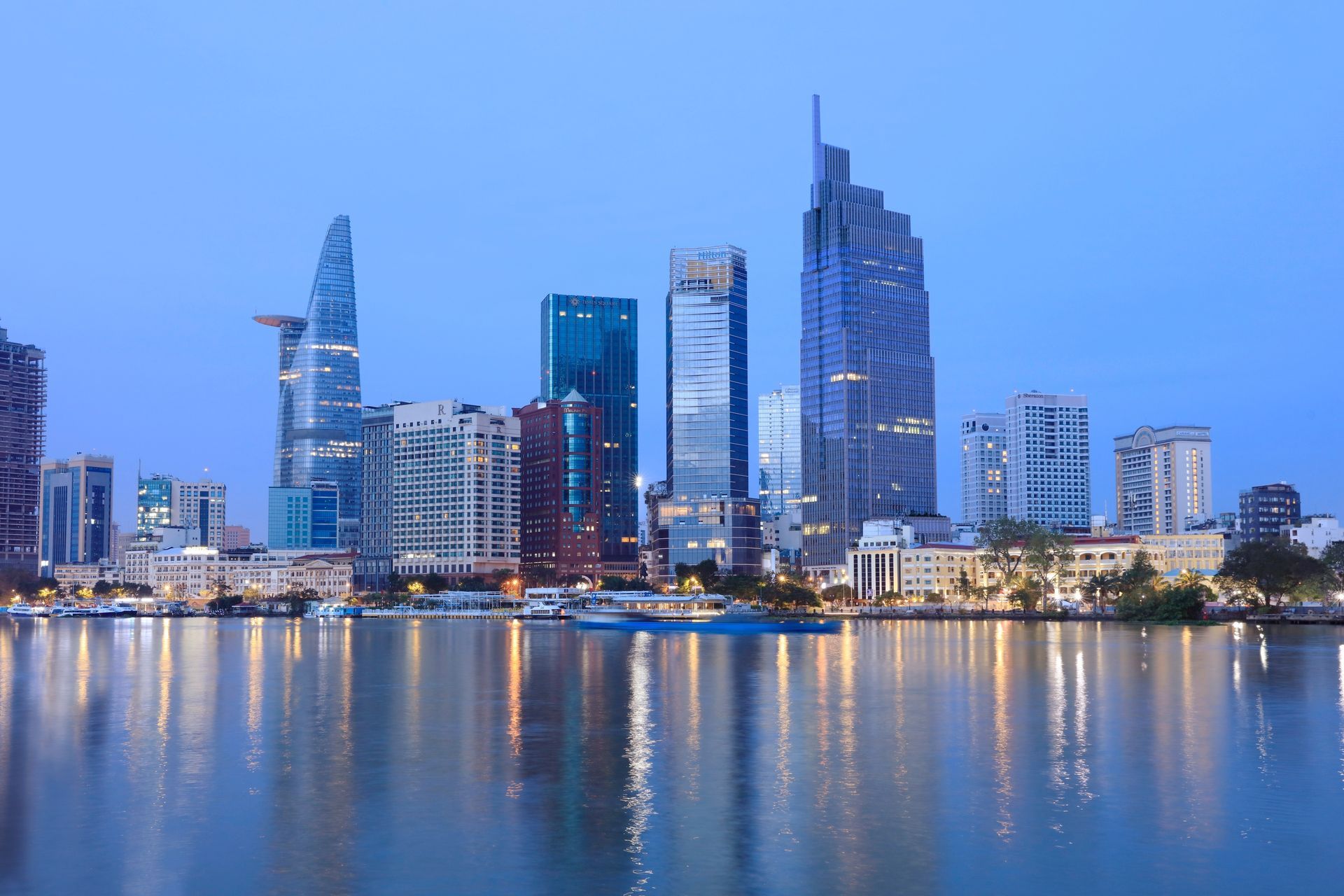
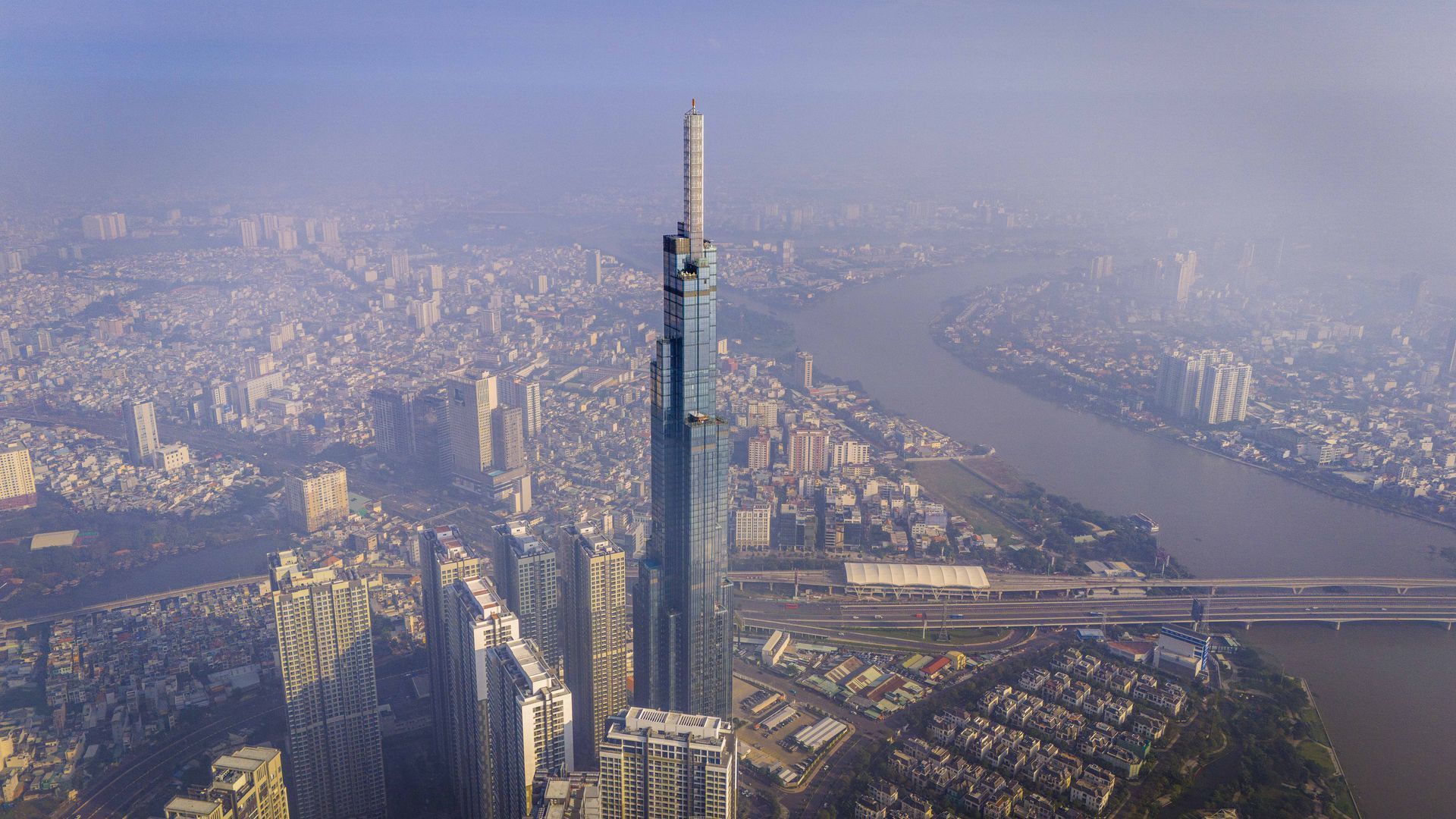
Towering at 461.2 meters along the Saigon River in Binh Thanh District, Landmark 81 is the tallest skyscraper in Vietnam and one of the tallest in Southeast Asia.
The Landmark 81 SkyView Observatory, occupying floors 79 through 81, features floor-to-ceiling glass walls, interactive virtual reality experiences, and an open-air sky deck. From this height, visitors get a 360-degree view of Ho Chi Minh City's sprawling urban landscape, the winding Saigon River, and distant countryside.
- Address: 720A Dien Bien Phu Street, Ward 22, Binh Thanh District
- Opening Hours: Daily from 8:30 AM – 10:00 PM
- Visitor Tip: Visit between 5:00 PM and 6:00 PM to see the city transition from daylight into golden hour and brilliant nighttime city lights.
Essential Travel Tips for Visiting Landmarks
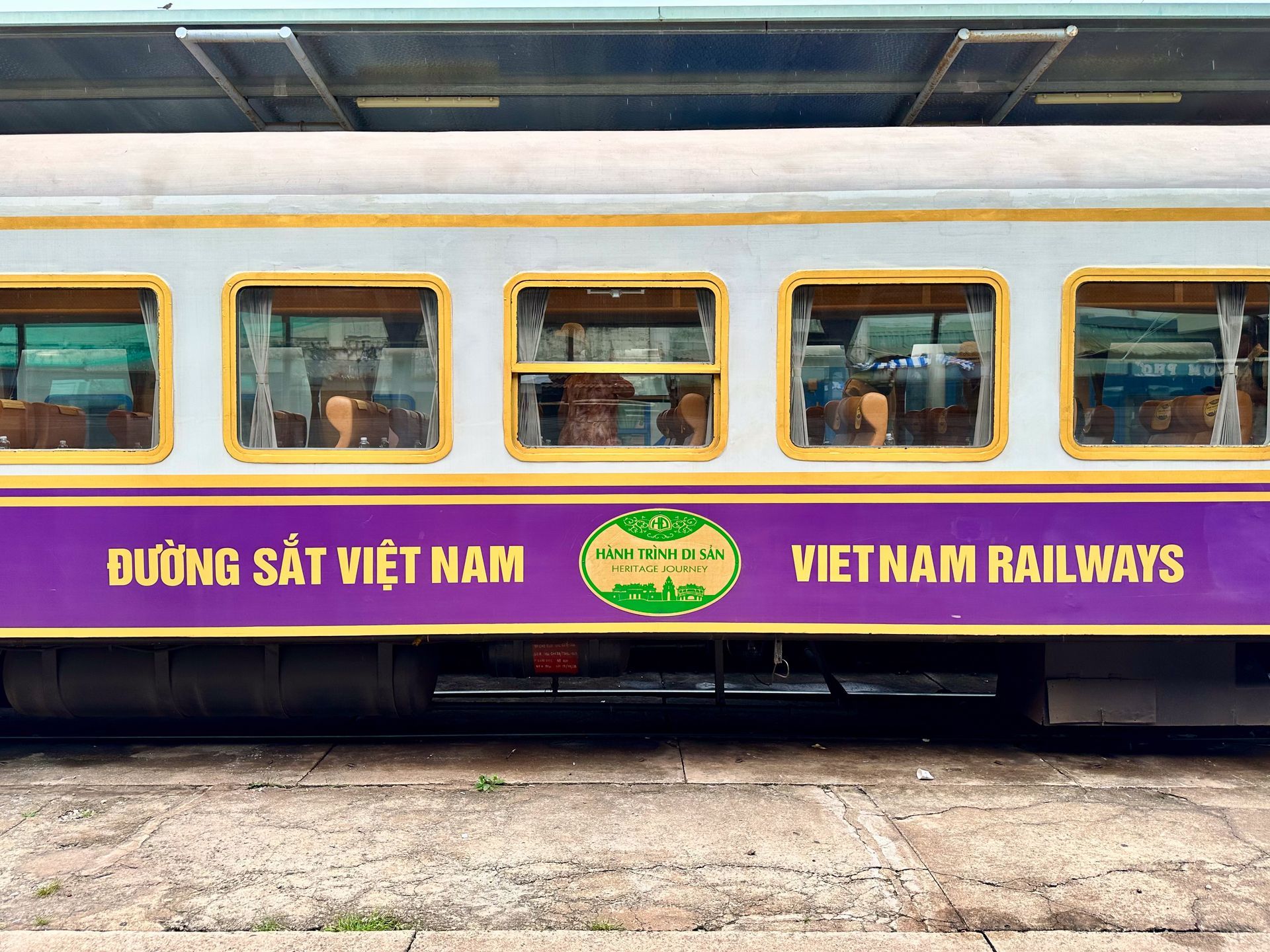
- Getting around: Walking between District 1 landmarks is easy, but for longer journeys (e.g., to Landmark 81 or Tan Dinh Church), download ride-hailing apps like Grab, Green SM or Be. Alternatively, take HCMC Metro Line 1 from Ben Thanh Station to explore eastern districts (check maps here)
- Pedestrian safety: Crossing the road in Saigon requires steady confidence. Walk at a predictable, slow pace without sudden stops or backward movements so scooter riders can anticipate your path and navigate around you.
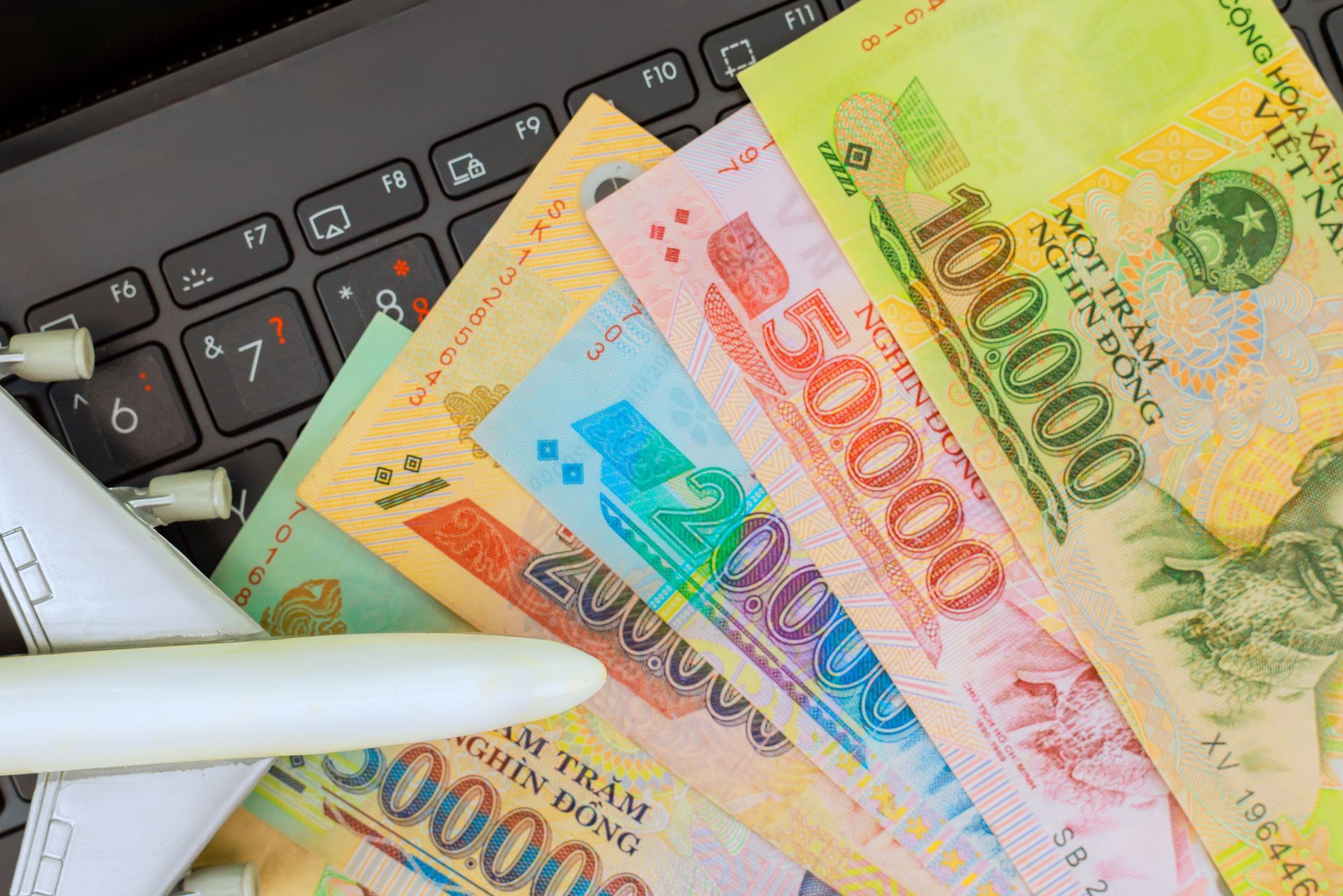
- Currency & payments: While high-end establishments and major tourist attractions accept international credit cards, small vendors inside Ben Thanh Market and street cafes require local cash (Vietnamese Dong - VND).
- Temple etiquette: When visiting religious sites like Jade Emperor Pagoda or churches, wear respectful attire that covers shoulders and legs above the knees, and remove hats before entering inner sanctuaries.
- Best season to visit: The dry season runs from November to April, offering sunny days and low humidity. If visiting during the wet season (May to October), schedule indoor activities (like museums and landmarks visits) during late afternoon rain showers.
By structuring your itinerary around these central landmarks, you will experience the historical depth, cultural resilience, and contemporary energy that make Ho Chi Minh City one of Southeast Asia's most dynamic destinations.