

Guide to Ride the Ho Chi Minh City Metro: Fares, Stations, Etiquette & A Full Sightseeing Itinerary
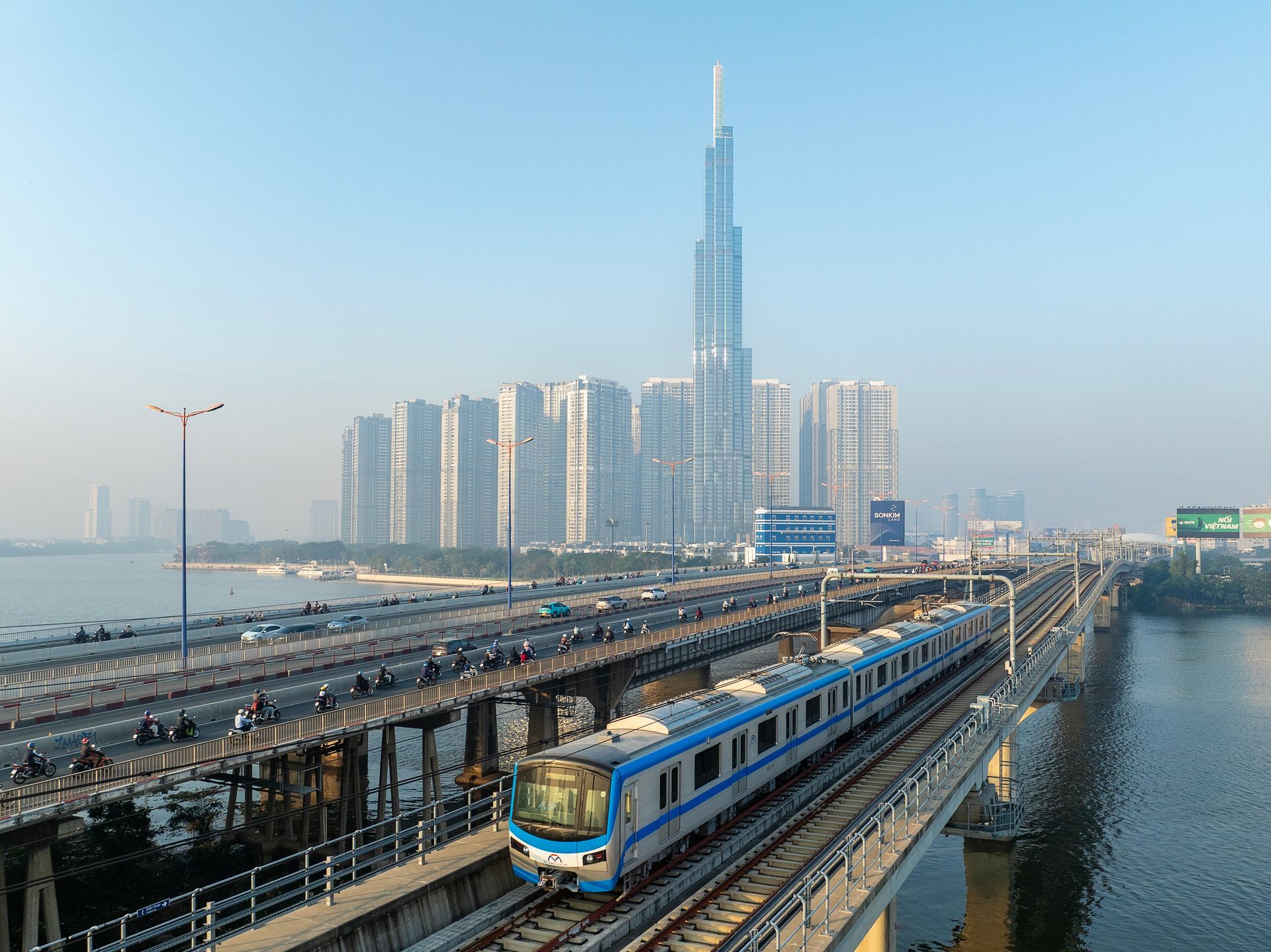
The inauguration of Ho Chi Minh City’s Metro Line 1 (Ben Thanh – Suoi Tien) marks a transformative era for urban transit in Vietnam’s largest economic hub. Spanning nearly 20 kilometers from the historical heart of District 1 to the vibrant innovation district of Thu Duc City, the metro offers international tourists, business travelers, and expats an efficient, air-conditioned, eco-friendly, and cost-effective way to navigate the city.
This comprehensive guide provides everything you need to know about using the Ho Chi Minh City Metro—from ticket purchases, payment methods, and station highlights to a step-by-step 1-Day and 2-Day self-guided metro sightseeing itinerary.
- Line Name: Metro Line 1 (Ben Thanh ↔ Suoi Tien) | Distance: 19.7 km (12.2 miles).
- Stations: 14 total (3 Underground: Ben Thanh, Opera House, Ba Son; 11 Elevated).
- Operating Hours: 05:00 AM – 10:00 PM daily (Friday - Sunday: 05:00 AM –11:00 PM).
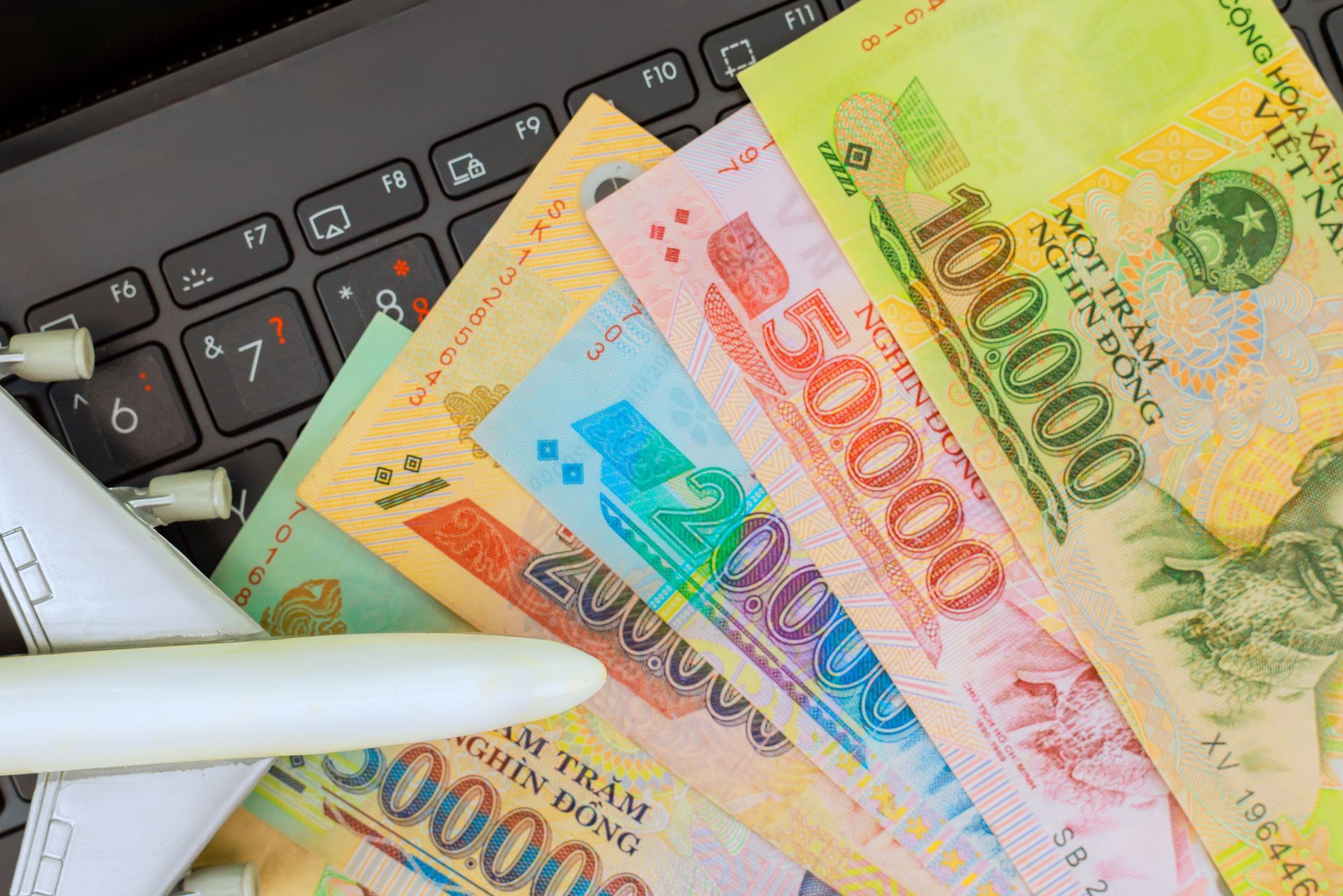
- Fares: Single ticket: 7,000 – 20,000 VND ($0.30 – $0.80 USD); 1-Day Unlimited Pass: 40,000 VND ($1.60 USD); 3-Day Unlimited Pass: 90,000 VND ($3.60 USD).
- Payment Options: Contactless credit/debit cards (Visa, Mastercard, JCB), Cash (Vending machines), or HCMC Metro App.
- Language Support: All station signage, announcements, map displays, and ticket kiosks feature full English options.
1. Overview of HCMC Metro Line 1 (Ben Thanh – Suoi Tien)
Metro Line 1 connects the historic city center of Saigon with the rapidly growing eastern districts, bridging cultural landmarks with ultramodern commercial hubs.
2. Fares, Pass Types & Payment Methods
The HCMC Metro ticketing system is designed for ease of use, accepting both conventional physical tickets and modern cashless methods.
Ticket Types & Pricing Matrix
| Pass Type | Price (VND) | Approx. Price (USD) | Best Suited For |
|---|---|---|---|
| Single Ride (1–3 Stations) | 7,000 – 9,000 VND | ~$0.30 – $0.38 | Short trips within downtown District 1 |
| Single Ride (Full Line) | 20,000 VND | ~$0.80 | Point-to-point trip from end to end |
| 1-Day Unlimited Pass | 40,000 VND | ~$1.60 | Recommended for Tourists: Unlimited travel for 24 hours |
| 3-Day Unlimited Pass | 90,000 VND | ~$3.60 | Recommended for Short-Stay Visitors: Unlimited travel for 72 hours |
| Monthly Pass | 300.000 VND | ~$12.00 | Expats, workers, and long-term residents |
How to Purchase Tickets
Method 1: Contactless Credit/Debit Card (Tap & Go at Turnstile)
The easiest option for international visitors. Simply tap your Visa, Mastercard, or JCB card (with contactless wave symbol) directly at the automatic turnstile gate when entering and exiting.
Method 2: Ticket Vending Machine (TVM)
- Select Language: Tap the screen and select the English flag icon.
- Select Ticket Type: Choose "Single Journey" or "Day Pass".
- Select Destination: Touch your target station on the interactive map.
- Select Quantity: Adjust the number of tickets required.
- Payment: Insert Vietnamese Dong banknotes (10,000 to 100,000 VND notes accepted) or scan the QR code via mobile app/card terminal.
- Collect Ticket: Retrieve your smart card/token and change from the tray below.
Method 3: HCMC Metro App
- Download the official HCMC Metro app from the iOS App Store or Google Play Store.
- Switch language to English, link your credit card, purchase a digital ticket, and scan the generated QR code at the turnstile reader.
Step-by-Step Riding Guide
Step 1 — Enter Station: Follow English signage to the concourse level via escalators or elevators.
Step 2 — Tap In at Turnstile: Tap your contactless card, day pass, or smart token on the blue reader circle at the gate. Wait for the green arrow and gate open signal. Keep your token/pass safe throughout the journey.
Step 3 — Wait on the Platform: Proceed to the platform level. Stand behind the yellow tactile safety line. Check overhead electronic screens for real-time train arrival countdowns.
Step 4 — Boarding: Allow arriving passengers to exit first. Step carefully across the gap onto the train.
Step 5 — Tap Out at Destination: At your exit station, tap your contactless card or pass at the turnstile gate. If using a single-ride token, insert the token into the designated slot on the turnstile to exit.
The Ultimate 1-Day HCMC Metro Sightseeing Itinerary
This carefully curated 1-day itinerary allows international tourists to experience Saigon's history, culture, modern architecture, and culinary delights using Metro Line 1.
| Time | Station | First Name | Activities |
|---|---|---|---|
| 08:00 - 10:00 | Ben Thanh Station | Market, Coffee & Fine Arts Museum | Breakfast at Ben Thanh Market (Phở or Bún thịt nướng), photo-op at the station's lotus-shaped glass skylight, and a short walk to the HCMC Fine Arts Museum. |
| 10:30 - 12:30 | Opera House Station | Colonial Architecture & Book Street | Walk down Nguyen Hue Pedestrian Street, admire the Municipal Theatre, and visit the iconic Saigon Central Post Office and Nguyen Van Binh Book Street. |
| 13:00 - 15:00 | Ba Son Station | Riverfront Promenade & Lunch | Lunch along Ton Duc Thang Street, stroll across Ba Son Bridge for river views, or relax in the nearby Botanical Gardens. |
| 15:30 - 17:30 | Tan Cang Station | Landmark 81 SkyView & Park | Visit Landmark 81 (Vietnam's tallest building), head up to the SkyView observation deck, and walk through Vinhomes Central Park. |
| 18:00 - 21:00 | Thao Dien Station | Craft Beer & International Dining | Explore the leafy streets of Thao Dien, sample local craft beers at Pasteur Street Brewing or Biacraft, and enjoy dinner at an outdoor bistro before taking the metro back downtown. |
Passenger Etiquette, Rules & Accessibility
To ensure a smooth, polite, and safe journey, visitors should follow these metro guidelines:
Key Rules & Etiquette
- Escalator Etiquette: Stand on the right side of the escalator; leave the left side clear for passengers who are walking/rushing.
- Platform Waiting: Always wait behind the yellow line. Stand on the sides of the doors to allow exiting passengers space to step off first.
- Priority Seating: Reserve marked priority seats for elderly passengers, pregnant women, passengers with disabilities, and parents traveling with infants.
- Prohibited Items: Eating, drinking, smoking, vaping, and carrying strong-smelling items (such as durian fruit) inside stations or on trains are strictly prohibited.
- Noise Levels: Keep mobile devices on silent or use headphones when listening to audio or watching videos.
Accessibility Features
All 14 stations on Metro Line 1 are built to international accessibility standards:
- Elevators & Ramps: Available at every entrance for wheelchair users and strollers.
- Tactile Paving: Yellow braille blocks guide visually impaired passengers from entrances to platform screen doors.
- Bilingual Audio & Visual Displays: Clear announcements in both
Vietnamese and English, supported by overhead LED maps.
Last-Mile Transportation & Connections
Navigating beyond the metro stations is seamless thanks to integrated urban transport options:
- Electric Feeder Buses (Feeder Bus Network): A system of 17 electric feeder bus routes (numbered 153 through 169) connects metro stations directly to nearby residential neighborhoods, universities, and shopping centers. Fares range between 3,000 and 7,000 VND.
- Ride-Hailing Pick-Up Points: Popular apps such as Grab, Green SM (electric taxis/bikes) have designated pick-up/drop-off bays at all elevated metro station entrances.
- Airport Connection (SGN): While Metro Line 1 does not connect directly into Tan Son Nhat International Airport, you can easily take a 15-minute taxi or Bus #152 from Ben Thanh Station or Opera House Station directly to the airport terminals.
Frequently Asked Questions (FAQs)
Is English widely supported on the HCMC Metro?
Yes. All station signs, route maps, ticket vending machine interfaces, safety notices, and onboard automated announcements are provided in both Vietnamese and English. Station personnel are also trained to handle basic tourist queries in English.
Which ticket pass is best for a 2-day trip to Ho Chi Minh City?
Purchasing two 1-Day Unlimited Passes (40,000 VND each) or a 3-Day Unlimited Pass (90,000 VND) is the most cost-effective choice. It eliminates the need to stand in line for single-ride tickets and allows unlimited journeys across the network.
Are large suitcases allowed on the metro?
Yes. Standard tourist luggage, backpacks, and carry-on suitcases are permitted. However, avoid traveling with oversized luggage during peak commute hours (07:00–09:00 AM and 05:00–07:00 PM) to avoid inconvenience to fellow commuters.
How frequently do the trains run?
During peak morning and evening hours, trains run every 6 - 7 - 8 minutes. During off-peak hours and weekends, trains arrive every 10 - 12 - 13 - 15 minutes.
Is free Wi-Fi available at the stations?
High-speed public Wi-Fi is accessible across all 14 station concourses and platform waiting areas.
How do I get to the airport via metro?
Metro Line 1 does not connect directly to Tan Son Nhat Airport (SGN). Take a short 15-minute taxi or Bus 152 from Ben Thanh Station or Opera House Station to reach the terminals.