

Best Time to Visit Vietnam: Weather Guide by Month and Region
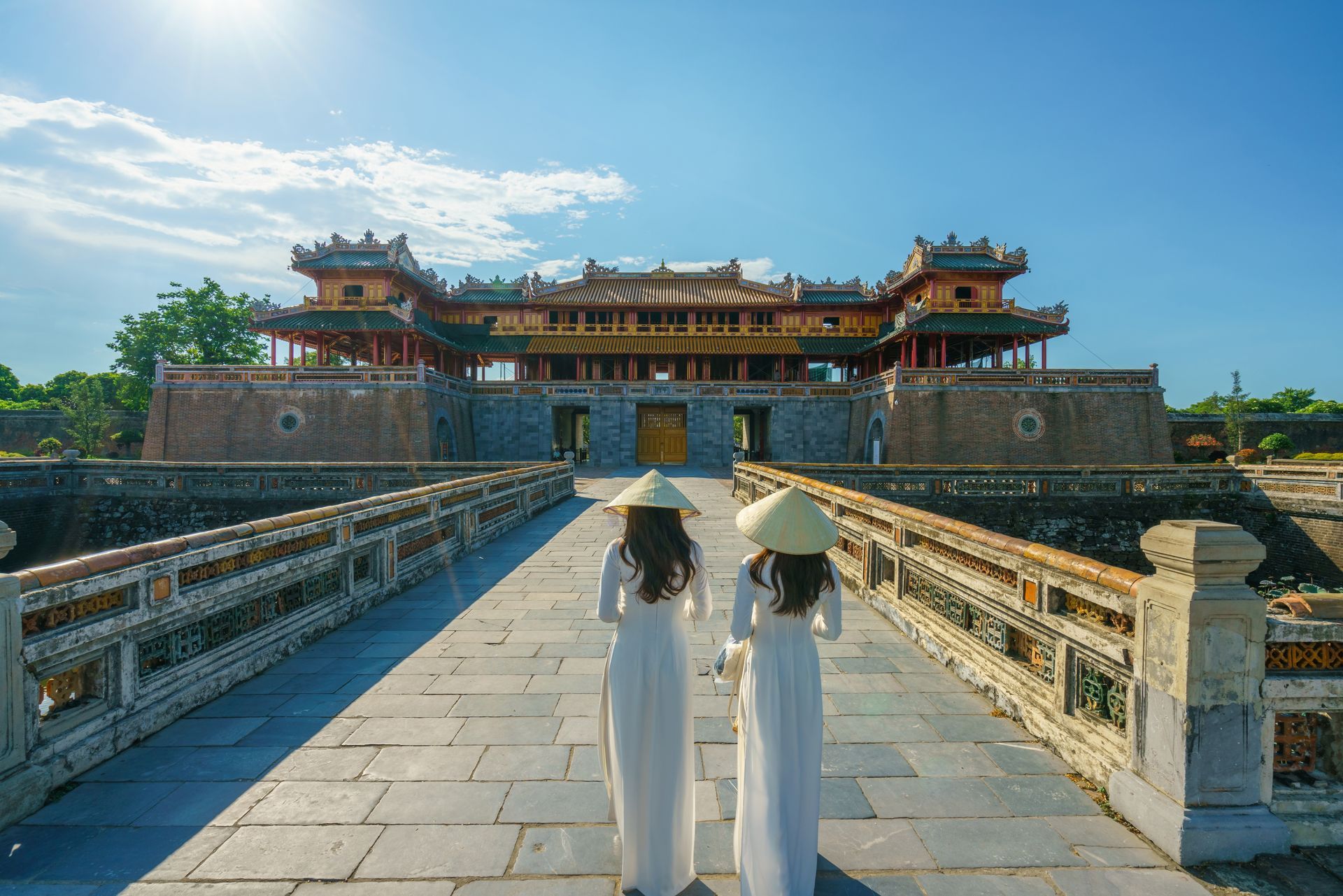
The best time to visit Vietnam is from March to April and September to November, when pleasant temperatures and dry weather prevail across all three major regions. Because Vietnam stretches over 1,600 kilometers from north to south, its climate varies dramatically by latitude and altitude. At any given time of year, one region may experience bright tropical sunshine while another sees cooler mountain mists or monsoon rains.
Best Time to Travel by Region
| Region | Primary Destinations | Best Travel Window | Weather Characteristics |
|---|---|---|---|
| Northern Vietnam | Hanoi, Ha Long Bay, Sa Pa, Ha Giang | Oct – Apr | Four distinct seasons; cool/dry winters (10–20°C), warm spring/autumn, hot wet summers. |
| Central Vietnam | Hue, Da Nang, Hoi An, Nha Trang | Jan – Aug | Warm, sunny dry season ideal for beaches; heavy rains and storm potential Oct–Nov. |
| Southern Vietnam | Ho Chi Minh City, Mekong Delta, Phu Quoc | Dec – Apr | Constant tropical heat (25–35°C); dry season Dec–Apr, short afternoon showers May–Nov. |

Understanding Vietnam's Three Climate Zones
Planning a multi-city trip requires understanding how Vietnam’s microclimates operate.
1. Northern Vietnam (Hanoi, Ha Long Bay, Sa Pa, Ha Giang, Ninh Binh)
Unlike the tropical south, Northern Vietnam experiences four distinct seasons:
- Winter (December to February): Cool, overcast, and occasionally misty, with mountain temperatures dropping below 10°C (and rare snowfall on mountain peaks in Sa Pa).
- Spring (March to April): Mild temperatures (20–28°C), clear skies, and blooming flowers.
- Summer (May to August): Hot, humid, and rainy, with afternoon downpours and occasional tropical storms in coastal areas like Ha Long Bay.
- Autumn (September to November): The golden season. Cool breezes, warm sunshine, and ripe, golden terraced rice fields in Sa Pa and Mu Cang Chai.
2. Central Vietnam (Hue, Da Nang, Hoi An, Nha Trang, Phong Nha)
Central Vietnam is protected by the Truong Son Mountain Range, giving it a unique rain schedule:
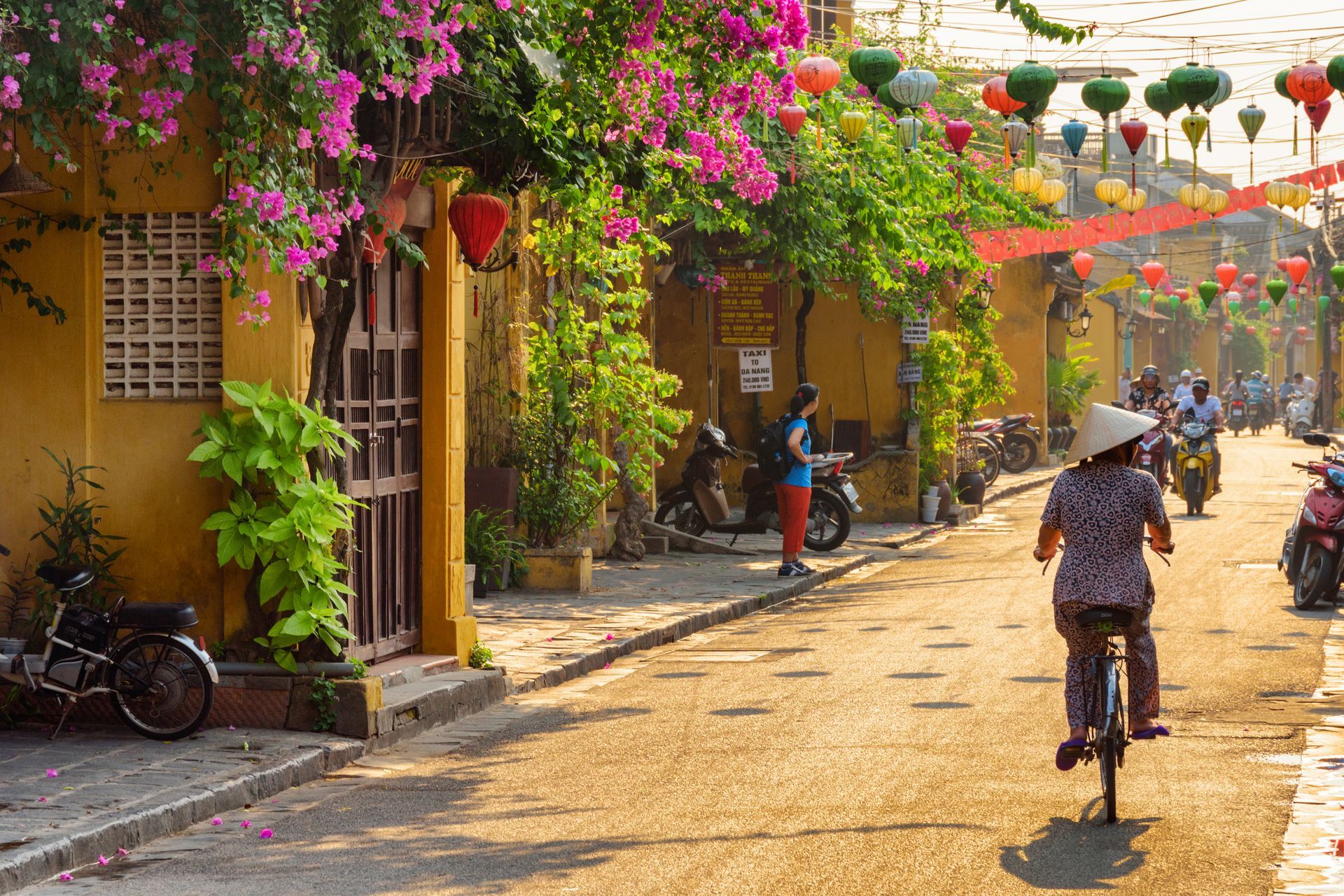
- Dry Season (January to August): Bright sunshine and high temperatures (28–35°C), perfect for exploring Hoi An’s ancient streets or swimming along Da Nang’s beaches.
- Wet Season (September to December): Heavy rainfall, particularly between October and November, when coastal areas can experience localized street flooding and monsoon storms.
3. Southern Vietnam (Ho Chi Minh City, Mekong Delta, Phu Quoc, Con Dao)
Southern Vietnam enjoys a simple two-season tropical climate with year-round temperatures averaging 27–34°C:
- Dry Season (December to April): Low humidity, guaranteed sunshine, and calm turquoise water surrounding offshore islands like Phu Quoc.
- Rainy Season (May to November): Warm temperatures punctuated by intense, brief afternoon downpours that usually clear within an hour.
List of Services
-
From Da Nang: Private Tour Golden Bridge & Ba Na HillsList Item 1
We'll take you to the magical Ba Na Hills at night, where they look completely different from daytime. Begin your adventure with a convenient Hotel pickup, followed by a scenic cable car ride to the iconic Golden Bridge (Hand of God). Enjoy the Golden Bridge bathed in twilight and take a leisurely stroll around the summit. The illuminated cityscape of Ba Na Hills is like a European fantasy world!
-
Ba Na Hills & Hoi An: Golden Bridge, Lanterns & Local DinnerList Item 2
Discover Ba Na Hills and Hoi An on a guided day trip from Da Nang. Ride a cable car to the Golden Bridge, explore the streets of Hoi An, release a floating lantern, and enjoy a Vietnamese dinner.
Month-by-Month Vietnam Weather Breakdown
January & February: Peak Winter & Tet Celebrations
- Weather: Crisp and cool in the North (15–20°C); sunny and warm in Central and Southern regions (25–32°C).
- Where to Go: Hanoi, Phu Quoc, Ho Chi Minh City, Mekong Delta, Da Nang.
- Traveler Tip: Tet (Vietnamese Lunar New Year) usually falls between late January and mid-February. While it offers vibrant festive atmosphere, book domestic transport weeks in advance as shops may close for 3–5 days.
March & April: The Countrywide Sweet Spot
- Weather: Outstanding nationwide. Comfortable warmth in the North, dry sunny weather in Central Vietnam, and sunny beach days in the South.
- Where to Go: Halong Bay, Sa Pa, Hoi An, Hue, Phong Nha Caves, Phu Quoc.
- Traveler Tip: Ideal for full north-to-south cross-country itineraries without encountering severe rain anywhere.
May & June: Summer Onset & Central Coast Peak
- Weather: Northern and Southern Vietnam experience rising heat (30–35°C) and higher rainfall. Central coastal cities enjoy peak dry beach weather.
- Where to Go: Da Nang, Hoi An, Nha Trang, Quy Nhon.
- Traveler Tip: Mountain destinations like Da Lat and Pu Luong offer cooler escapes during hot summer afternoons.
July & August: Beach Escapes & Mountain Greenery
- Weather: Hot with frequent tropical showers across North and South. Central Vietnam stays sunny through July before rains pick up in late August.
- Where to Go: Nha Trang, Hue, Da Nang, Ninh Binh.
- Traveler Tip: Northern mountains (Sa Pa, Mu Cang Chai) turn lush green with growing rice terraces. Pack light rain jackets and waterproof bags.
September & October: Golden Harvest & Northern Autumn
- Weather: Cool, clear weather returns to Northern Vietnam. Central Vietnam enters its main rainy season. Southern Vietnam experiences declining afternoon rains.
- Where to Go: Sa Pa, Ha Giang, Mu Cang Chai, Hanoi, Halong Bay.
- Traveler Tip: Late September to early October is the harvest period in northern mountain terraces—the most photogenic landscape season of the year.
November & December: Dry Season Returns to the South
- Weather: Cool and dry in the North (15–22°C); Central Vietnam begins clearing up by mid-December; South Vietnam Enters its prime sunny, dry weather window.
- Where to Go: Phu Quoc, Ho Chi Minh City, Mekong Delta, Hanoi, Ha Giang.
- Traveler Tip: Excellent time for island hopping in Phu Quoc and exploring floating markets in the Mekong Delta.

Essential Travel & Packing Checklist for Foreigners
- Layered Clothing: Essential if traveling from North to South in winter (heavy fleece/jacket for Sa Pa; breathable cotton/linen for Saigon and Phu Quoc).
- Rain Protection: Compact travel umbrella, light rain poncho, and waterproof phone bag during monsoon months (May–October in South/North, October–December in Central).
- Footwear: Breathable walking shoes for city streets and sturdy waterproof hiking boots for mountain treks in Northern Vietnam.
- Sun Protection: High-SPF sunscreen, polarized sunglasses, and a wide-brimmed hat, especially for tropical beaches and boat trips in Ha Long Bay or the Mekong Delta.
No matter when you land in Vietnam, there is always a region basking in ideal weather conditions. Matching your itinerary with regional climate patterns ensures clear skies, stunning photography, and comfortable adventures. Come to
H.I.S. Song Han Vietnam for expert advice on the most suitable itinerary to explore Vietnam, as well as travel services across all three regions.